
 Products
 For Distributors
 For Grow Shops
 About Miabis
 Contact
Kief collection during cannabis trimming is one of the most overlooked factors in post-harvest profitability. Most growers focus on trimming as a finishing step that improves appearance and prepares the product for sale. However, trimming does far more than improve appearance – it directly determines how much value you preserve or lose.
During trimming, the plant undergoes mechanical handling. As a result, trichomes begin to separate from the flower. These trichomes do not simply disappear – they become kief. The real question, therefore, is not whether kief is created, but whether it is captured or lost.
In practice, many growers unintentionally lose this high-value material. Consequently, what seems like a minor inefficiency turns into a hidden economic leak.
For this reason, understanding and optimizing kief collection during cannabis trimming is essential – not only for maintaining quality, but also for improving overall profitability.
What Is Kief and Why It Matters
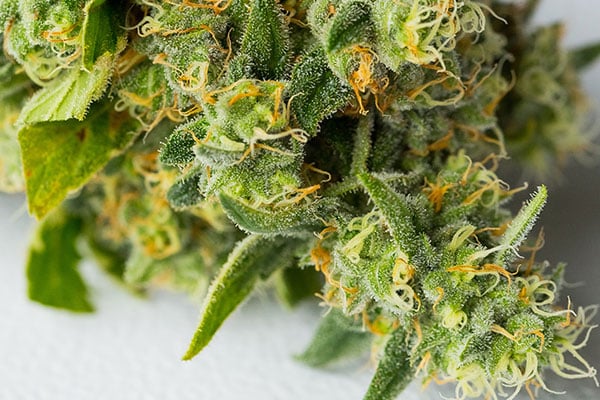
Kief is a collection of loose trichomes that detach from the cannabis flower during handling and processing. These trichomes contain the highest concentration of cannabinoids and terpenes, which define potency, aroma and overall product value.
Because of this composition, kief is not waste – it is a concentrated form of the plant’s most valuable compounds.
Growers can use kief in several ways, including the following:
- sell it as a standalone product
- process it into extracts such as hash or rosin
- add to lower-grade flower to increase value
From an operational perspective, kief represents high-value yield that already exists within the plant. The only variable is whether the grower captures it.
In simple terms, kief is not created during trimming, it is simply revealed. What matters is whether you retain it.
Where Kief Gets Lost During Trimming
Kief loss occurs continuously throughout the trimming process, often without being measured or noticed. This makes it one of the most underestimated inefficiencies in cannabis production.
There are several key points where losses happen:
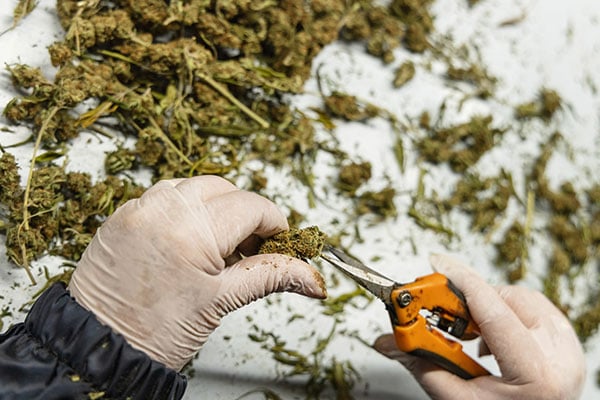
- Manual handling – Trichomes stick to gloves, scissors and work surfaces, where they remain unrecovered
- Open environments – Kief disperses into the air or settles on uncontrolled areas, making collection impossible
- Poor equipment design – Many machines remove plant material efficiently but do not separate or collect kief
- Excessive mechanical stress – Aggressive trimming increases friction, which detaches more trichomes, without capturing them
As a result, kief is often lost in small, continuous amounts. Individually, these losses seem insignificant. However, across large volumes, they become substantial.
The key takeaway is clear:
If kief is not intentionally collected, it is almost certainly being lost.
The Hidden Cost of Lost Kief
At first glance, kief loss may appear negligible. However, in commercial-scale operations, even small inefficiencies quickly scale into measurable financial impact.
Consider this:
- every gram of lost kief contains concentrated cannabinoids
- every batch processed without recovery reduces total product value
Over time, these losses compound. What starts as a minor oversight becomes a consistent reduction in revenue potential.
Moreover, because kief is rarely tracked separately, this loss often remains invisible in standard reporting. Growers see final flower yield, but not the value that disappeared during processing.
Therefore, growers who focus on efficiency and margins should rethink how they evaluate output.
Kief should not be treated as incidental loss – it should be treated as a measurable and recoverable product stream.
Kief as an Additional Revenue Stream
When growers shift their perspective, kief changes from waste into opportunity.
Instead of losing it, collected kief can be:
- packaged and sold directly
- processed into high-margin extracts
- added to other products to boost potency
This transforms trimming from a single-output process into a multi-output system:
- trimmed flower
- trim material
- kief (high-value fraction)
As a result, the same harvest generates more total value without increasing cultivation costs.
This approach aligns with modern cannabis operations, where profitability depends not only on yield, but also on how efficiently each part of the plant is utilized.
Kief collection turns trimming from a cost center into a value-generating stage.
Factors That Influence Kief Collection During Cannabis Trimming
Kief collection during cannabis trimming does not depend on a single factor. Instead, it results from how the entire trimming process is set up and controlled. Different variables – such as trimming method, speed and equipment design – directly affect how easily trichomes detach and whether they are captured or lost.
Because of this, optimizing kief collection requires a system-level approach. Growers must understand how each factor influences both trichome separation and recovery. The most important variables are outlined below.
Wet vs Dry Trimming
The trimming method significantly affects how trichomes behave during processing.
- Dry trimming – Trichomes become brittle and detach more easily. This increases kief separation, but also increases the risk of loss if not collected
- Wet trimming – Trichomes remain sticky and adhere to the flower. This reduces separation, but also limits recoverable kief
Therefore, growers must choose between wet and dry trimming methods based on their goals. In general, this means deciding whether to:
- preserve flower quality
- or maximize kief recovery
Neither method is inherently better. The key is to align the process with your production goals.
Trimming Speed and Intensity
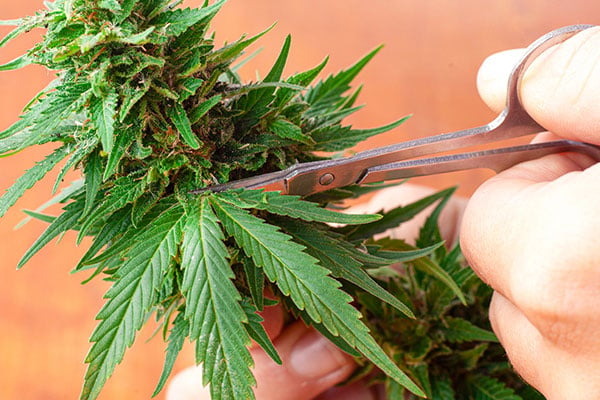
Trimming speed directly influences mechanical stress on the flower.
- Higher speed increases throughput
- However, it also increases trichome detachment
Similarly, more aggressive settings remove material faster but can cause uncontrolled kief loss.
For this reason, growers must balance three variables:
- speed (efficiency)
- quality (flower integrity)
- recovery (kief retention)
Optimal performance comes from controlling – not maximizing – these factors.
Equipment Design
Finally, equipment design plays a decisive role in whether kief is captured or lost.
Not all systems handle material in the same way. Important differences include:
- open vs closed processing environments
- airflow control and material movement
- presence (or absence) of kief collection systems
Machines designed only for trimming prioritize speed. In contrast, systems designed for process optimization also include recovery mechanisms.
Therefore, equipment selection directly affects:
- yield efficiency
- product consistency
- total recovered value
Manual vs Machine: Who Captures More Kief?
One of the most common questions in post-harvest processing is whether manual or machine trimming preserves more value. At first glance, manual trimming seems gentler, while machines appear more aggressive. However, when it comes to kief collection, the comparison is not that simple.
The key factor is not only how the flower is handled, but also what happens to the trichomes after they detach. In other words, the real question is: does the process capture kief – or does it lose it?
To understand this, it is important to look at how each method handles separation and recovery.
Manual Trimming
Manual trimming offers precise control over appearance and detail. However, it has a major limitation: it does not include structured kief collection.
As a result:
- kief sticks to tools and surfaces
- recovery remains inconsistent
- losses vary between workers and batches
Machine Trimming
Machine trimming improves both consistency and processing speed. More importantly, advanced systems can integrate kief collection directly into the workflow.
This changes the outcome significantly. Instead of losing detached trichomes, the system captures them as a usable output.
Therefore, the key distinction is not manual vs machine. The real difference is whether the process captures value – or allows it to escape.
How Modern Trimmers Turn Kief Into Value
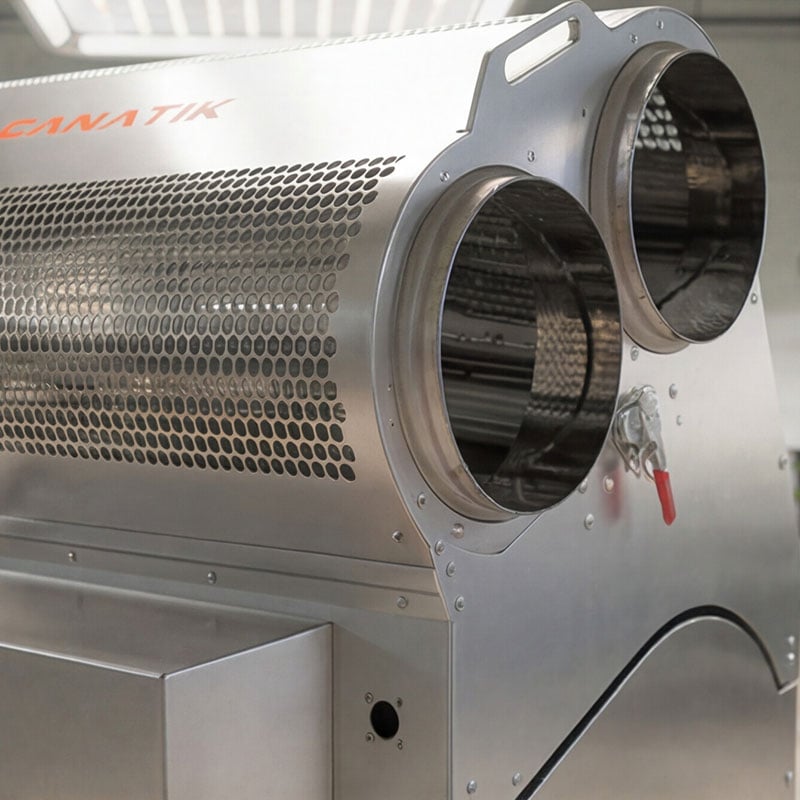
Modern trimming systems no longer focus only on cutting efficiency. Instead, they aim to optimize the entire post-harvest process.
They achieve this by integrating:
- controlled airflow
- precise material separation
- dedicated kief collection systems
For example, solutions like Ganatik combine trimming and recovery into a single workflow:
- wet and dry trimming capabilities
- high-capacity processing
- built-in kief collection
This creates a three-output system, where flower, trim and kief are processed simultaneously.
In addition, adjustable settings allow growers to control:
- processing speed
- trimming intensity
- level of kief recovery
As a result, growers can fine-tune their process to match their priorities, whether that is quality, speed or recovery.
Best Practices to Maximize Kief Recovery
To improve kief collection, growers should take a structured approach:
- Adjust trimming speed – Avoid excessive mechanical stress
- Align method with goals – Choose wet or dry trimming based on desired outcome
- Use closed or controlled systems – Prevent kief from dispersing
- Select recovery-capable equipment – Ensure kief is captured, not lost
- Handle kief properly after collection – Maintain quality and prevent contamination
Consistency is critical. Small improvements at each step lead to significant gains over time.
Kief is one of the most valuable components of the cannabis plant. Yet, many growers still overlook it during trimming. While individual losses may seem minor, their cumulative impact is substantial – especially at scale.
Therefore, growers who want to improve efficiency and profitability must rethink trimming. Instead of treating it as a simple finishing step, they should approach it as a value optimization stage, as part of a broader post-harvest process where each step affects final product quality.
Ultimately, the principle is straightforward: the more precisely you control your process, the more value you retain.
And in modern cannabis production, success depends on one key mindset: capture everything the plant produces.
FAQ: Kief Collection During Cannabis Trimming
What is kief in cannabis?
Kief is a collection of loose trichomes that fall off cannabis flowers during handling or processing. These trichomes contain high levels of cannabinoids and terpenes, making kief one of the most potent parts of the plant.
Is kief lost during cannabis trimming?
Yes, kief is commonly lost during cannabis trimming if it is not actively collected. Trichomes detach due to friction, handling and mechanical processing, and without a recovery system, they are typically wasted.
How much kief is typically lost during trimming?
The amount of kief lost during trimming depends on the method and equipment used. In uncontrolled processes, a noticeable percentage of trichomes can be lost, especially at high speeds or without collection systems.
Does trimming method affect kief collection?
Yes, the trimming method directly affects how much kief is separated and how much can be collected. Dry trimming increases trichome detachment, which can produce more kief but also increases the risk of loss if it is not captured. Wet trimming reduces detachment, which means less kief is generated overall but also less is lost during processing.
Can kief be collected during machine trimming?
Yes, kief can be collected during machine trimming if the equipment includes a dedicated collection system. Advanced trimmers are designed to separate and capture kief as part of the processing workflow.
Why is kief collection important for growers?
Kief collection is important because it adds measurable value to the harvest. Instead of losing trichomes, growers can sell kief, use it for extracts or enhance other products, which improves overall profitability.

 Ganatik
 Re-Plant
 Marketing Support
 Cannabis World
 Terms & Conditions