
 Products
 For Distributors
 For Grow Shops
 About Miabis
 Contact
Choosing Between Wet and Dry Trimming – Which Method Is Right for Your Workflow?
Wet vs dry trimming is one of the most common decisions in cannabis post-harvest processing. Growers want to know what wet trimming is, what dry trimming is, and which method produces the best balance of speed, quality and efficiency.
The answer depends on your drying environment, labor setup and production goals. In this guide, we compare wet trimming and dry trimming, explain the pros and cons of each method, and help you decide which approach fits your workflow best.
Wet or Dry Trimming: A Quick Answer
Wet trimming means trimming cannabis immediately after harvest, while dry trimming means trimming after the buds have dried. In practice, wet trimming is usually faster and better for humid environments, while dry trimming is often preferred for slower drying and better terpene preservation.
What Is Wet Trimming?
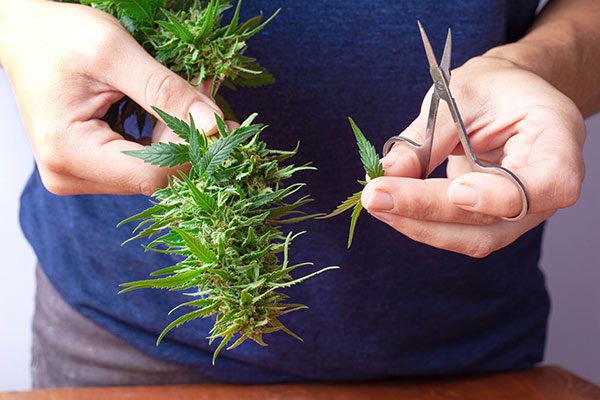
Wet trimming is the process of removing excess leaves immediately after harvest, while the plant is still fresh.
After cutting the plant:
- Fan leaves and sugar leaves are trimmed right away
- Buds are then placed into drying conditions
When growers use wet trimming:
- High humidity environments (to reduce mold risk)
- Limited drying space
- Faster harvest turnaround requirements
How the process works:
Fresh leaves are easier to cut because they haven’t curled yet. The process is typically faster and more straightforward, especially for less experienced growers.
What Is Dry Trimming?
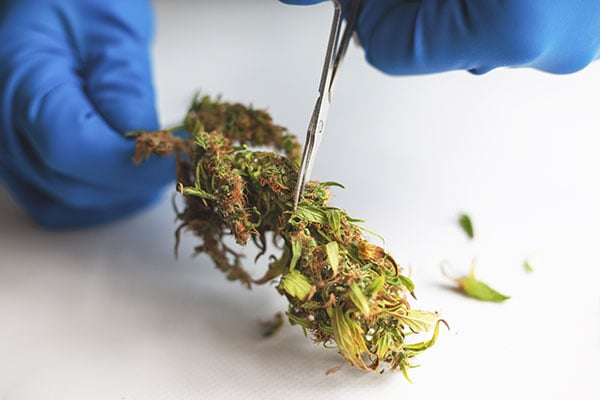
Dry trimming happens after the plant has been dried, usually 7–14 days post-harvest.
The process:
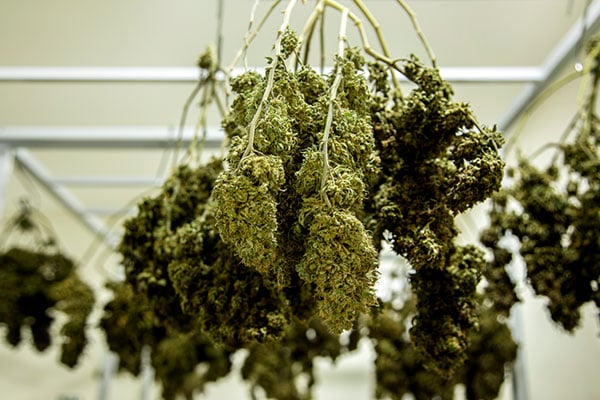
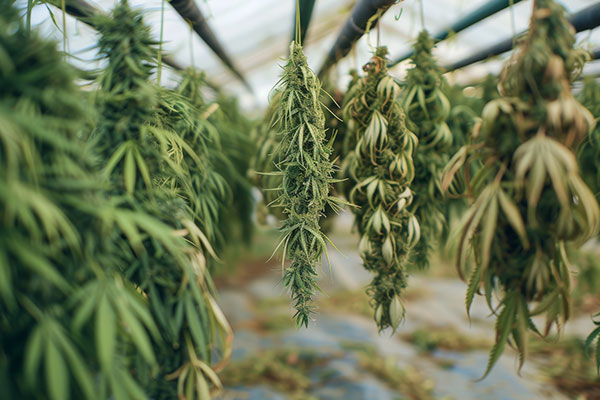
- Whole plants or branches are hung to dry
- Leaves remain on the buds during drying
- Trimming is done once moisture content stabilizes
When growers use dry trimming:
- Controlled indoor environments
- Quality-focused production
- Slower drying strategies
How the process works:
Leaves dry and curl around the buds, making trimming more precise, but also more labor-intensive.
Wet vs Dry Trimming – Key Differences
To better understand how these two methods compare in practice, here is a side-by-side overview of the key differences between wet and dry trimming.
| Factor | Wet Trimming | Dry Trimming |
|---|---|---|
| Timing | Immediately after harvest | After drying |
| Workflow speed | Faster | Slower |
| Ease of trimming | Easier because leaves are still soft | Harder because leaves curl as they dry |
| Drying speed | Faster drying | Slower, more gradual drying |
| Mold risk | Usually lower because there is less plant material left on the buds | Can be higher if drying conditions are not well controlled |
| Terpene preservation | Can be lower if drying happens too quickly | Often better due to slower drying and more protection from remaining leaf material |
| Labor efficiency | Usually faster and simpler | Usually slower and more labor-intensive |
One important factor often overlooked is that trimming speed itself can directly influence final product quality, affecting how consistently and precisely the buds are handled.
Each method comes with specific advantages and trade-offs that affect both workflow and final product quality.
Pros and Cons of Wet Trimming
Wet trimming is typically chosen for its speed and simplicity, especially in environments where drying conditions are harder to control. However, that efficiency comes with trade-offs that can affect final quality.
Pros
- Speeds up drying time
- Easier to handle and trim
- Reduces mold risk in dense buds
- Requires less drying space
Cons
- Can lead to faster terpene evaporation
- Sticky and messy workflow
- Less control over drying curve
- Potentially harsher final product if overdried
Wet trimming is a practical choice when efficiency and risk reduction matter more than maximum terpene preservation.
Pros and Cons of Dry Trimming
Dry trimming is often preferred by growers who prioritize quality and are able to control their drying environment. It allows for a slower, more stable process, but it requires more time and effort.
Slower drying also supports better preservation of volatile compounds such as terpenes, which are sensitive to environmental conditions, as shown in research on cannabis phytochemistry.
Pros
- Better terpene and aroma preservation
- Slower, more controlled drying process
- Often results in higher-quality appearance
- Preferred for premium flower markets
Cons
- Leaves curl and are harder to trim
- Requires more time and labor
- Needs stable environmental control
- Slower overall workflow
Dry trimming is ideal for quality-focused growers, but only if the environment and workflow can support a longer, more controlled process. This becomes even more important in dry machine trimming, where flower condition and preparation can directly influence trimming results.
Does Wet or Dry Trimming Affect Final Product Quality?
Beyond workflow and efficiency, trimming method is an important part of post-harvest processing that has a direct impact on final product quality.
The trimming method can affect:
- bag appeal
- aroma and terpene retention
- drying behavior
- handling efficiency
- consistency across batches
Wet trimming can speed up processing and reduce mold pressure, while dry trimming can support better aroma preservation and a more premium finish. However, final quality still depends heavily on drying conditions and handling.
Which Trimming Method Is Better?
There is no objectively “better” method – only the one that fits your environment, workflow and production goals.
Choose wet trimming if you:
- want faster processing
- operate in high humidity
- have limited drying space
- want easier handling during harvest
Choose dry trimming if you:
- prioritize maximum quality and better terpene retention
- want slower, more controlled drying
- want premium flower presentation
- want more consistent post-harvest results
In practice, most growers don’t struggle because they chose the wrong method. They struggle because their workflow cannot support the method they chose.
Common Mistakes When Choosing Between Wet and Dry Trimming:
- Choosing dry trimming without proper humidity and airflow control
- Choosing wet trimming without adjusting drying speed afterward
- Treating trimming as a quality decision only instead of a workflow decision
- Ignoring labor time and harvest volume
- Using the wrong equipment for the chosen trimming method
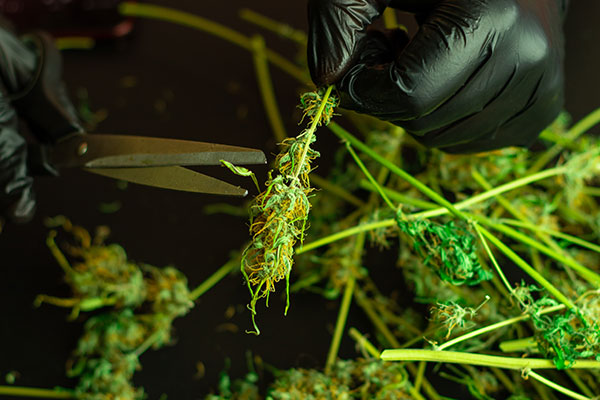
Wet vs Dry Trimming for Different Growers
The best cannabis trimming method depends not only on preference, but also on the grower’s environment, scale and production goals. Wet vs dry trimming decisions often change based on humidity, available labor and the level of quality required.
Home growers
Home growers often choose wet trimming when they have limited drying space or less control over humidity. It is simpler, faster and easier to manage during harvest.
Commercial growers
Commercial growers usually choose based on workflow efficiency, labor availability and target market. Wet trimming supports faster throughput, while dry trimming is often preferred for premium flower.
Humid climates
In humid conditions, wet trimming is often the safer option because it improves airflow around the buds and reduces mold risk during drying.
Quality-focused operations
Growers focused on premium presentation, aroma and terpene retention often prefer dry trimming, provided they can maintain stable drying conditions.
Scaling Trimming: Why Workflow Matters More Than Method
At small scale, trimming method is a preference. Once production volume increases, the trimming method becomes less about preference and more about operational efficiency.
Bottlenecks appear quickly:
- Labor shortages
- Inconsistent trim quality
- Slow processing times
- Increased risk of product loss
For growers processing larger harvests, the choice between wet and dry trimming is not just about preference. It is also about whether the workflow can support consistent results at scale.
At this point, the discussion naturally expands beyond wet vs dry trimming and into how the trimming process is actually performed – whether manually or with machines. The way trimming is executed has a direct impact on speed, consistency and labor requirements, making it a critical factor in scaling post-harvest operations.
Systems like GANATIK are built for both wet and dry trimming, helping growers maintain throughput, consistency and cleaning efficiency within one post-harvest setup.
This changes the decision framework – instead of asking “wet or dry?”, advanced growers ask: “What system allows me to execute either method efficiently?”
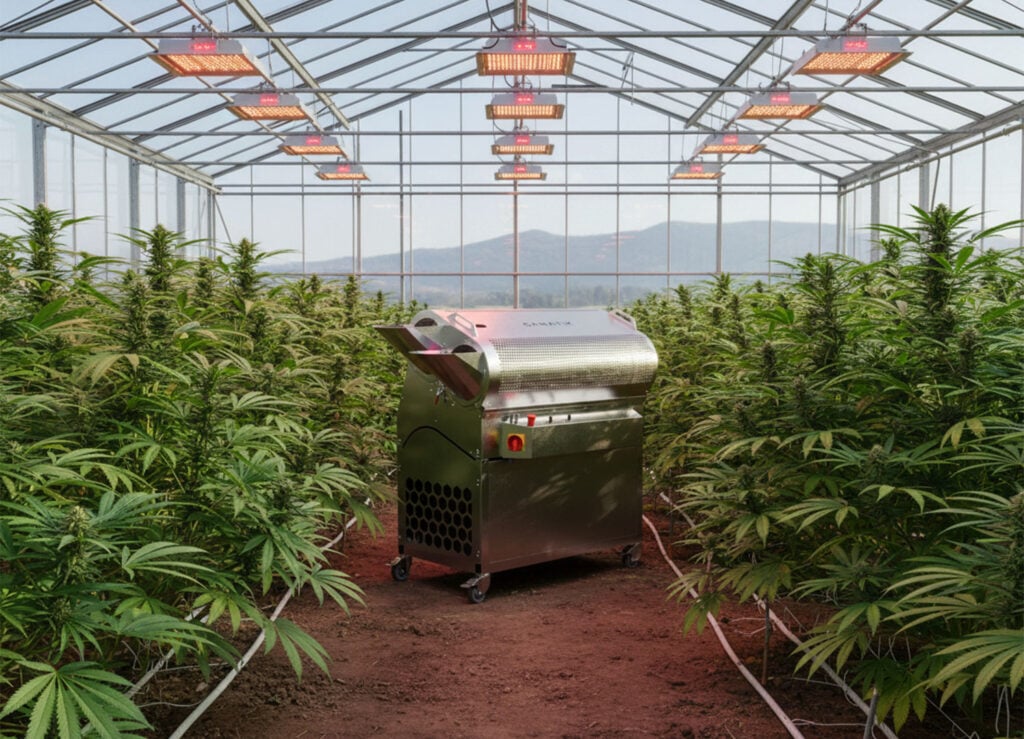
Wet trimming and dry trimming both have valid use cases. Wet trimming is typically better for speed, simpler handling and higher-humidity conditions, while dry trimming is often better for slower drying and preserving aroma quality. The best method depends less on opinion and more on whether your drying environment, labor setup and post-harvest workflow can support it consistently.
Ultimately, the best cannabis trimming method is not about following a rule – it is about choosing the approach your system can execute consistently.
FAQ: Wet vs Dry Trimming Cannabis
What is the main difference between wet and dry trimming?
The main difference is timing. Wet trimming is done immediately after harvest, while dry trimming is done after the plant has been dried. This difference affects workflow, drying speed, labor requirements and final product characteristics.
Does wet or dry trimming produce better quality cannabis?
Dry trimming is generally associated with better terpene preservation and smoother final product quality because the buds dry more slowly. However, the difference depends heavily on drying conditions and overall workflow. Poor drying can reduce quality regardless of the trimming method.
Is wet trimming easier than dry trimming?
Yes. Wet trimming is easier because leaves are still soft and easier to remove. In dry trimming, leaves curl around the buds, making the process more time-consuming and labor-intensive.
Does trimming method affect drying time?
Wet trimming usually leads to faster drying because more plant material is removed before the buds are hung. Dry trimming slows the drying process because leaves remain on the buds during drying.
Which trimming method is better for preventing mold?
Wet trimming is usually better for mold prevention because it removes excess plant material before drying, allowing better airflow around the buds. This is especially important in high-humidity environments.
Does dry trimming always preserve more terpenes?
Not always, but it often does. Slower drying allows for better retention of volatile compounds like terpenes. However, if drying conditions are poorly controlled, terpene loss can still occur.
Can you use the same equipment for wet and dry trimming?
Yes. Modern trimming solutions like GANATIK are designed to handle both wet and dry material, allowing growers to adapt their process without changing equipment. This flexibility is especially valuable in commercial operations.
Is wet trimming or dry trimming better for beginners?
Wet trimming is usually better for beginners because it is simpler, faster and more forgiving. It requires less environmental control and makes the trimming process easier to manage.
Is wet or dry trimming better for small harvests?
For small harvests, either method can work well. Wet trimming is usually easier and faster, while dry trimming may be worth the extra time if the grower is focused on maximizing aroma and presentation.
Should commercial growers prefer wet or dry trimming?
It depends on priorities. Commercial growers focused on speed and throughput often lean toward wet trimming, while those targeting premium markets may prefer dry trimming. In practice, many operations optimize workflow first and then choose the trimming method that fits their system.

 Ganatik
 Re-Plant
 Marketing Support
 Cannabis World
 Terms & Conditions