
 Products
 For Distributors
 For Grow Shops
 About Miabis
 Contact
How to Trim Cannabis Without Damaging Trichomes: Best Practices That Make a Difference
Trimming cannabis without damaging trichomes comes down to minimizing unnecessary handling, trimming at the right moisture level, using sharp tools and avoiding overly aggressive processing. Whether you trim by hand or with a machine, gentle and consistent handling is the key to preserving cannabinoids, terpenes and the frosty appearance of the flowers.
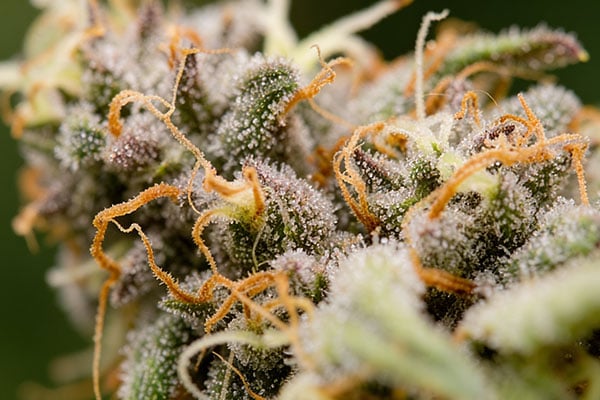
Because trichomes contain most of the plant’s cannabinoids and terpenes, protecting them is essential for preserving flower quality, potency and aroma. Fortunately, a few simple practices can significantly reduce trichome loss during post-harvest processing.
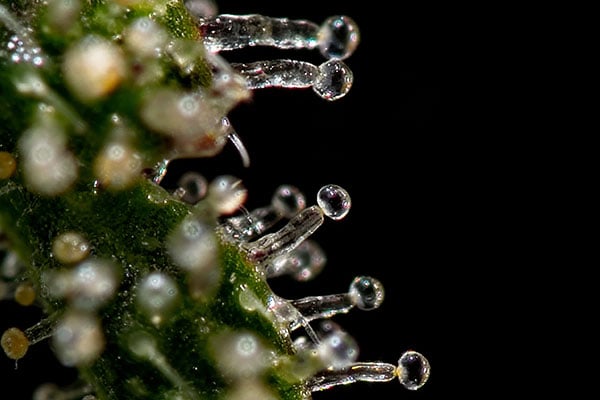
How to Protect Trichomes During Trimming
Preserving resin comes down to a series of small decisions throughout the trimming process. The following best practices can help minimize unnecessary trichome damage while maintaining flower quality.
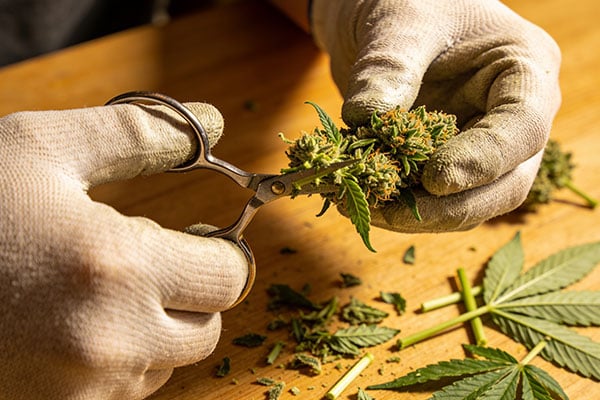
1. Decide Between Hand and Machine Trimming
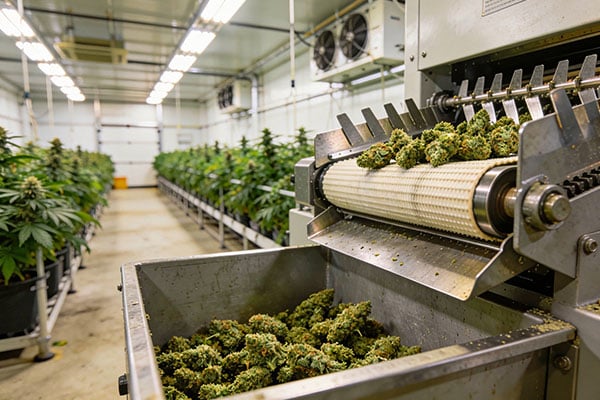
Both hand trimming and machine trimming can preserve trichomes when performed correctly. The right choice depends on your harvest size, quality goals and the level of precision you need.
Choose hand trimming if you:
- process small or premium harvests
- want maximum control over every flower
- prioritize flower appearance and structure
- don’t mind a slower, more labor-intensive process
Choose machine trimming if you:
- process medium or large harvests
- need higher throughput and consistent results
- want to reduce labor requirements
- use a machine with adjustable settings for different flower types and moisture levels
Neither method automatically preserves more trichomes than the other. Hand trimming can still cause resin loss through excessive handling, while a properly adjusted trimming machine can process flowers efficiently with minimal trichome damage. Ultimately, careful handling and the correct settings have a much greater impact than the trimming method itself.
2. Should You Choose Wet or Dry Trimming?
Another common question is whether wet trimming or dry trimming is better for preserving trichomes. Both methods can preserve trichomes when performed correctly, and the best choice depends on your workflow, drying conditions and quality goals.
Choose wet trimming if you:
- want easier and faster leaf removal
- need to speed up the drying process
- are working in humid conditions where mold is a concern
Choose dry trimming if you:
- prioritize preserving flower shape and appearance
- don’t mind a slower trimming process
- can handle drier, more fragile flowers carefully
Many experienced growers prefer dry trimming for premium flowers because it often helps preserve the natural shape of the buds. However, dry flowers are also more brittle and require gentle handling to avoid knocking off trichomes. A carefully executed wet trim can preserve trichomes just as effectively, making proper technique far more important than the trimming method itself.
3. Trim at the Right Moisture Level
Once you’ve decided whether to wet trim or dry trim, timing becomes equally important. Trimming flowers before they’re ready – or waiting until they’ve become excessively dry – can both increase unnecessary trichome loss.
Very wet flowers are soft and require more handling to remove leaves cleanly, while overly dry flowers become brittle and shed trichomes much more easily. The best results usually come from trimming flowers that have reached an appropriate moisture level for the chosen trimming method.
A good rule of thumb is to trim flowers when they are firm enough to handle comfortably but not so dry that they become brittle. If buds feel soft and compress easily when handled, they may still be too wet. On the other hand, if they crumble easily or release large amounts of kief with minimal handling, they have likely become too dry.
Avoiding moisture extremes is one of the simplest ways to protect resin glands, reduce flower damage and preserve overall quality.
4. Handle Every Flower as Little as Possible
Every unnecessary time a flower is picked up, rotated or moved between containers, some trichomes may break off.
Instead of repeatedly repositioning buds during trimming, try to complete each flower in one continuous trimming process. Working in smaller batches also helps reduce unnecessary contact between flowers, preventing resin from rubbing off during handling.
For commercial operations processing large harvests, reducing unnecessary handling throughout the workflow can make a noticeable difference in final quality.
5. Use Sharp and Clean Trimming Tools
Sharp scissors or blades make cleaner cuts with less pressure, reducing mechanical stress on the flower.
Sticky blades quickly become coated with resin, making trimming more difficult and increasing the chance of pulling or dragging plant material instead of cutting it cleanly. Cleaning tools regularly helps maintain precision while reducing resin transfer.
Gloves also accumulate resin, so change them when they become heavily coated with trichomes to prevent unnecessary transfer and contamination.
6. Avoid Over-Trimming
A common misconception is that removing every visible sugar leaf always produces a better-looking flower.
In reality, excessive trimming often removes trichome-rich plant material that contributes to the flower’s appearance and overall quality. Instead of aiming for a perfectly smooth bud, focus on removing only the leaf material that truly affects presentation.
A conservative trimming approach usually preserves more resin while maintaining an attractive final product.
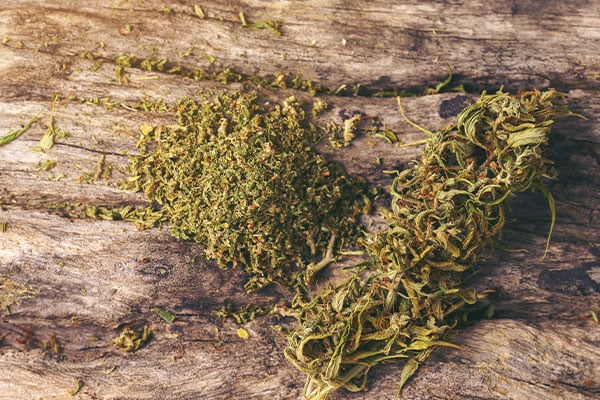
7. Work in Cool Conditions
Trichomes become softer and stickier as temperatures rise. In warm environments, particularly at temperatures above 24-25°C (75–77°F), resin transfers more easily to gloves, scissors and work surfaces instead of remaining on the flower.
Keeping the trimming room relatively cool – around 18-21°C (64-70°F) – helps preserve both trichomes and terpenes while maintaining comfortable working conditions.
How Do You Know You’re Losing Too Many Trichomes?
Trichome loss is not always immediately obvious. While some resin loss is inevitable during trimming, excessive losses often leave visible signs that your trimming process may be too aggressive.
Some common signs of excessive trichome loss include:
- Excessive Kief Accumulation – Finding large amounts of loose kief on work surfaces, trimming equipment or collection trays may indicate that too many trichomes are being knocked off during processing.
- Dull Flower Appearance – Well-trimmed flowers should retain their frosty, resin-rich appearance. If buds look noticeably less coated after trimming, excessive trichome loss may be occurring.
- Reduced Aroma – Because terpenes are stored inside trichomes, flowers that lose a significant amount of resin may also have a weaker aroma.
- Large Amounts of Resin-Rich Trim – If the trim contains an unusually high amount of visible resin, the trimming process may be removing more than just unwanted leaf material.
- Lower Overall Flower Quality – Excessive trichome loss can reduce bag appeal, diminish the perceived quality of the flowers and ultimately lower their market value.
If you notice one or more of these warning signs, it’s worth reviewing your trimming technique, flower moisture, handling practices or machine settings before processing the next batch.
Learning how to trim cannabis without damaging trichomes is less about finding one perfect trimming method and more about following the right techniques throughout the entire process.
By handling flowers gently, trimming at the appropriate moisture level and avoiding unnecessary mechanical stress, growers can preserve more cannabinoids, terpenes and overall flower quality. Whether trimming by hand or with a modern trimming machine, careful technique and consistent processing remain the most effective ways to protect the resin that gives cannabis its value.
FAQ: Trimming Cannabis Without Damaging Trichomes
Does trimming cannabis damage trichomes?
Some trichome loss is inevitable during cannabis trimming because resin glands are delicate and can break off through handling. However, careful trimming techniques, minimal flower handling, sharp tools and the correct moisture level can significantly reduce trichome loss while preserving cannabinoids, terpenes and overall flower quality.
Is wet trimming or dry trimming better for preserving trichomes?
Neither method is inherently better for preserving trichomes. Dry trimming is often preferred for premium flowers because it helps maintain their natural shape, while wet trimming can simplify leaf removal and reduce mold risk in humid environments. In both cases, proper trimming technique has a greater impact on trichome preservation than the trimming method itself.
Can machine trimming preserve trichomes?
Yes, modern cannabis trimming machines can preserve trichomes effectively when properly adjusted. Machine settings such as tumbler speed, airflow and processing time, together with the condition of the flowers, have a much greater influence on trichome retention than the fact that trimming is automated.
How can you reduce trichome loss during trimming?
The best way to reduce trichome loss is to handle flowers as little as possible, trim them at the appropriate moisture level, use sharp and clean trimming tools, avoid excessive trimming and work in a cool environment. Together, these practices help preserve resin glands throughout the trimming process.

 Ganatik
 Re-Plant
 Marketing Support
 Cannabis World
 Terms & Conditions