
 Products
 For Distributors
 For Grow Shops
 About Miabis
 Contact
From Grow Room to Trimming Table: Where Cannabis Operations Waste Time and Lose Money
Cannabis operations rarely lose money because of one major mistake. They lose it in small, repeated inefficiencies that go unnoticed across the workflow.
At first glance, most grows appear efficient. Plants are healthy, harvests are consistent, and processes are in place. But profitability is not determined by whether a system works – it is determined by how efficiently it works.
Hidden inefficiencies in cultivation and post-harvest quietly increase labor costs, slow down production, reduce yield potential, and limit scalability. Over time, these small losses compound into a significant financial gap.
Understanding where cannabis operations lose money is not just about reducing costs. It is about identifying structural inefficiencies and replacing them with systems that eliminate them entirely.
The Illusion of Efficiency in Cannabis Operations
Many cannabis operations assume that if the output is acceptable, the process behind it must be efficient. In reality, this assumption is one of the biggest sources of hidden loss.
Inefficiencies rarely appear as obvious failures. Instead, they are embedded in routine tasks:
- repetitive manual work
- unnecessary handling of plants
- inconsistent post-harvest processes
- equipment that requires constant adjustment or maintenance
Many of these inefficiencies are directly tied to how labor is structured and managed across the operation. In practice, the balance between manual work and automation often determines whether a system scales efficiently.
Individually, these issues seem minor. However, across multiple harvest cycles, they compound into measurable financial loss.
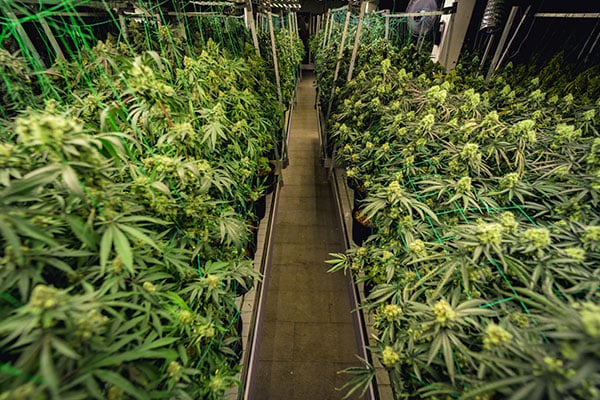
Inefficiencies in the Grow Phase
Inefficiencies in the grow phase typically come from unnecessary plant handling, poor root zone utilization, and fragmented workflows. These issues increase labor, slow plant development, and reduce total yield potential. Improving cultivation efficiency requires a more systematic approach, where processes ensure consistency and scalability.
Transplanting Costs More Than You Think
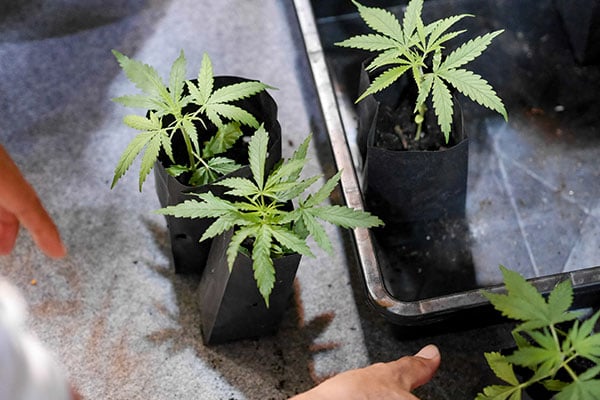
Transplanting is one of the most common but underestimated sources of inefficiency in cannabis cultivation because it interrupts root development and adds repeated manual work.
Every transplant introduces hidden costs:
- labor time for each transplant cycle
- risk of plant stress and slowed growth
- increased variability between plants
- additional materials and workspace requirements
Even when performed correctly, transplanting disrupts growth continuity. Instead of developing, the plant must recover.
Systems that eliminate transplanting remove an entire layer of inefficiency. Allowing the root zone to expand without moving the plant reduces labor, minimizes risk and maintains continuous growth.
Underutilized Root Zones and Container Inefficiency
Root zone efficiency directly determines how effectively a cannabis plant can absorb water, nutrients and oxygen, making it one of the primary drivers of growth and yield.
However, traditional containers often limit root development:
- roots circle instead of expanding
- substrate volume remains partially unused
- oxygen distribution is inconsistent
This directly affects plant performance. Poor root structure leads to slower nutrient uptake and reduced growth potential.
More advanced systems enable staged root expansion and continuous oxygen supply, allowing plants to fully utilize the available volume and develop dense, fibrous roots that support stronger growth.
Space and Workflow Inefficiencies
Beyond plant biology, operational inefficiencies in cannabis cultivation often come from how space, materials, and movement are managed within the grow.
Operational friction appears in:
- storing multiple container sizes
- moving plants between stages
- managing additional tools and materials
These factors increase complexity, slow down workflows, and create unnecessary labor. Over time, they reduce the overall efficiency of the entire cultivation system.
Post-Harvest Inefficiencies That Erode Profit
Post-harvest is one of the most cost-sensitive stages in cannabis production, where inefficiencies directly impact labor costs, processing speed, and final product quality.
Trimming Speed vs Quality Trade-off
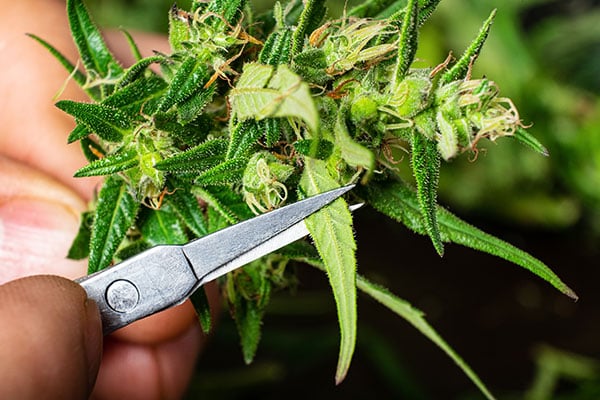
Trimming is one of the most labor-intensive steps in cannabis production. The inefficiency typically comes from the trade-off between trimming speed and quality, where improving one often negatively affects the other.
This creates a constant operational dilemma:
- slower processing improves quality but increases labor costs
- faster processing increases throughput but can reduce product quality
Without precise control over trimming parameters, operations are forced into compromises.
Advanced trimming systems reduce this trade-off by allowing operators to control speed, intensity, and airflow, enabling consistent results without sacrificing throughput.
Inconsistent Processing Workflows
Inconsistent workflows in cannabis processing are usually the result of manual operations and lack of standardized systems.
This leads to:
- differences between operators
- inconsistent batch quality
- unpredictable processing times
The result is reduced product standardization, which directly impacts brand reliability and scalability.
Systems built for repeatability eliminate variability and ensure consistent output across every batch.
Cleaning and Downtime
Cleaning inefficiency occurs when equipment requires frequent manual maintenance that interrupts workflow and reduces productive time. Although often overlooked, it has a direct operational impact:
- machines require frequent cleaning
- downtime disrupts processing flow
- labor is diverted from productive tasks
Over time, cleaning-related downtime can significantly reduce total processing capacity.
Therefore, equipment with integrated or simplified cleaning systems reduces downtime and keeps operations running continuously.
Lost Value in Byproducts
Byproduct inefficiency occurs when valuable materials like kief are not properly collected, resulting in lost revenue from the same harvest.
In many operations:
- kief is lost during processing
- collection systems are inefficient or absent
- secondary revenue streams remain unused
Modern processing systems capture and separate these materials during trimming, turning what was once waste into an additional revenue stream.
The Real Cost: Compounding Inefficiencies Across the Workflow
Cannabis operations lose money not from a single issue, but from multiple small inefficiencies that compound across the entire workflow. Even small planning mistakes can create large financial losses at scale.
These effects reinforce each other:
- slower growth → longer cycles
- labor-heavy processes → higher costs per batch
- inconsistent quality → reduced product value
- downtime → lower throughput
When combined, these factors create a system that limits profitability, even if each individual step appears manageable.
How Smarter Systems Reduce Operational Losses
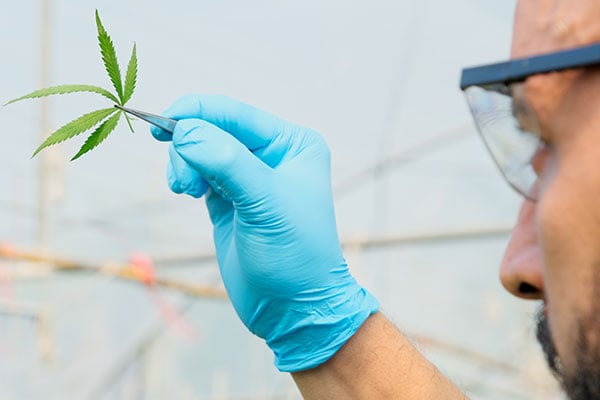
Operational efficiency improves when cannabis production shifts from manual tasks to integrated systems designed for consistency and repeatability.
The most effective cannabis operations do not optimize individual steps. They optimize the entire system.
This includes:
- reducing manual intervention
- standardizing workflows
- improving repeatability
- minimizing disruption to plant development
- increasing throughput without sacrificing quality
This shift transforms efficiency from a reactive effort into a built-in advantage.
MIABIS products are designed around this principle – solving real cultivation and post-harvest problems with practical, patented solutions that simplify workflows and eliminate inefficiencies.
Efficiency Is a Competitive Advantage
In a competitive cannabis market, growing a good product is no longer enough. Profitability depends on how efficiently that product is produced.
Operations that identify and eliminate inefficiencies gain a clear advantage:
- lower production costs
- more consistent quality
- higher scalability
- stronger margins
Understanding where cannabis operations lose money is the first step. Long-term success comes from building systems that prevent those losses.
FAQ: Where Cannabis Operations Lose Money
Where do cannabis operations lose the most money?
Cannabis operations lose the most money in hidden inefficiencies such as labor-heavy workflows, transplanting, inconsistent trimming, and equipment downtime. These issues compound over time and reduce overall profitability.
What are the biggest hidden costs in cannabis production?
The biggest hidden costs in cannabis production come from inefficient labor, repeated manual processes, workflow bottlenecks and lost value during post-harvest processing. Operators often overlook these costs because they spread across the entire operation.
Why is transplanting inefficient in cannabis cultivation?
Transplanting is inefficient because it requires manual labor, interrupts root development and introduces plant stress. This slows growth and increases variability, which negatively affects yield consistency.
How does trimming impact cannabis profitability?
Trimming impacts profitability by affecting labor costs, processing speed and product quality. Inefficient trimming reduces throughput and can lower the final market value of the product.
Can post-harvest processes generate additional revenue?
Yes. Efficient post-harvest systems can capture byproducts like kief, turning what is typically lost during processing into an additional revenue stream.
What causes inefficiencies in cannabis operations?
Inefficiencies are typically caused by manual workflows, lack of standardization, unnecessary plant handling and poorly optimized equipment. These issues reduce consistency and increase operational costs.
How can cannabis operations improve efficiency?
Cannabis operations can improve efficiency by implementing systems that reduce manual work, standardize workflows and optimize both cultivation and post-harvest processes. The goal is to eliminate inefficiencies, not just manage them.

 Ganatik
 Re-Plant
 Marketing Support
 Cannabis World
 Terms & Conditions