
 Products
 For Distributors
 For Grow Shops
 About Miabis
 Contact
Cannabis cultivation is often presented as a linear process: plant, grow, harvest. In reality, it is a system where small decisions compound over time. Most yield loss, quality issues, and inefficiencies don’t come from one major failure – they come from a series of common cannabis growing mistakes that go unnoticed until it’s too late.
For both small-scale and commercial growers, the difference between average and high-performing crops lies in how well these mistakes are prevented, identified early and corrected before they escalate.
This guide breaks down the most frequent cannabis cultivation errors, explains why they happen, and – most importantly – shows exactly how to fix cannabis growing problems fast.
Why Small Mistakes Have Big Consequences in Cannabis Cultivation
Cannabis plants are highly responsive to their environment. That sensitivity is what makes high-quality cultivation possible, but it also means that mistakes quickly translate into plant stress, slowed growth, and reduced yield.
A common pattern across most operations:
- a minor issue (watering, roots, environment)
- leads to plant stress
- which reduces growth efficiency
- which ultimately lowers yield and quality
Understanding common cannabis plant problems as part of a connected system – rather than isolated events – is the first step toward fixing them effectively.
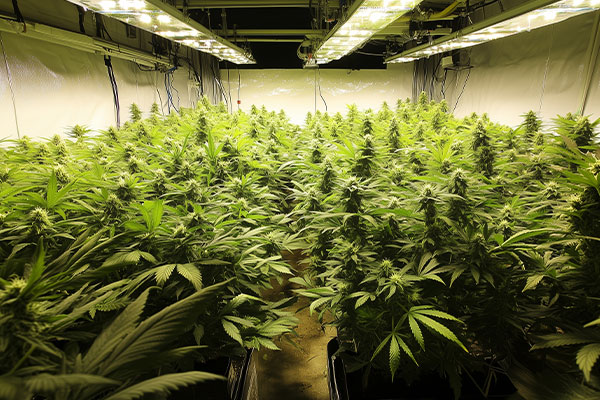
1. Overwatering and Poor Root Oxygenation
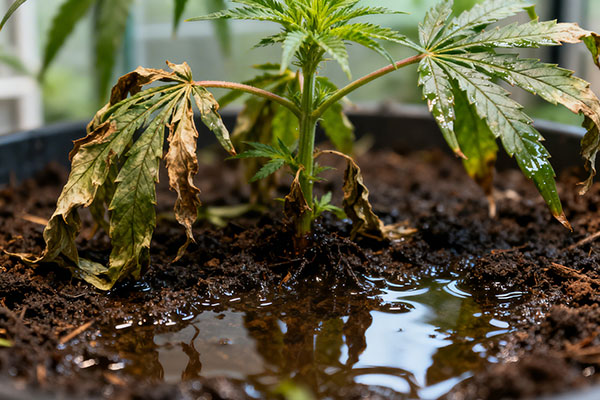
Overwatering is not only about giving plants too much water, it is primarily a problem of insufficient oxygen in the root zone.
Roots require oxygen for respiration. When the growing medium stays saturated for too long, air pockets disappear, oxygen availability drops, and root function slows down. This directly affects nutrient uptake and overall plant growth.
Typical consequences:
- Slower vegetative growth
- Drooping leaves despite wet soil
- Increased risk of root disease
How to fix it fast:
- Water only when the top 2-3 cm of substrate is dry
- Use the pot weight method (lift before/after watering to learn moisture levels)
- Improve drainage (add perlite, coco, or aeration material)
- Ensure excess water can drain freely from the container
- Avoid watering on a fixed schedule – adjust based on plant uptake
- Use containers that promote airflow to the root zone
A major structural fix is improving container design. Containers that allow continuous oxygen supply and prevent water stagnation significantly reduce this issue and stabilize root conditions.
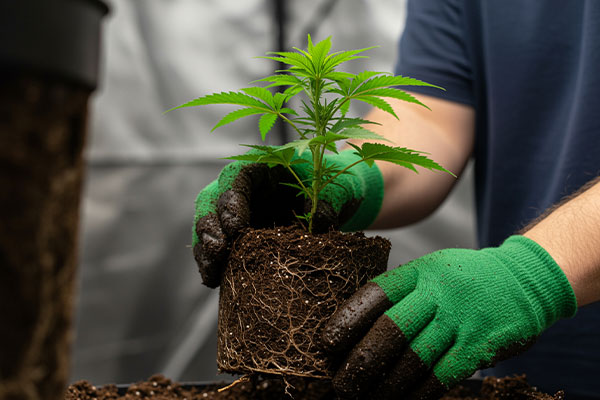
2. Transplanting at the Wrong Time (or Too Often)
Transplanting allows plants to expand their root system, but it is also one of the biggest sources of cannabis plant stress. Done incorrectly or too frequently, it can stall growth for days or even weeks as the plant reallocates energy to root recovery.
Common issues:
- Transplanting before roots are established
- Waiting too long, leading to root binding
- Damaging roots during transfer
- Repeating the process multiple times by using too many intermediate container sizes
At scale, this also creates labor inefficiencies and higher risk of inconsistent growth.
How to fix it fast:
- Transplant when roots reach the container edges but are not yet circling heavily
- Transplant during the vegetative stage, not during flowering
- Water lightly before transplanting to keep the root ball intact
- Handle plants by the root mass, not the stem
- Reduce unnecessary transplant steps where possible
Reducing transplant frequency improves consistency and lowers the risk of growth interruptions. An even more effective approach is to eliminate transplanting entirely by using systems that allow the container to scale with plant growth. This removes both the stress factor and the operational burden.
3. Ignoring Root Development Problems
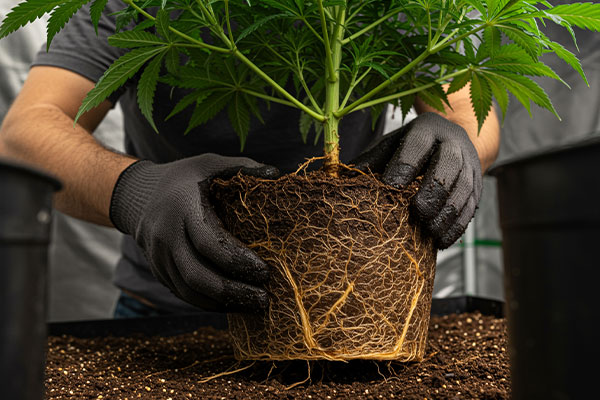
Roots are the foundation of plant performance, as their health directly influences how efficiently a plant can absorb water and nutrients. Yet root problems are often overlooked because they are not visible until above-ground symptoms appear.
Root development problems like root circling (spiraling around the container), limited expansion, or poor aeration can silently limit yield.
Typical consequences:
- Reduced nutrient uptake
- Slower vegetative growth
- Smaller final plant size
How to fix it fast:
- Inspect roots during transplanting and look for dense spiraling or discoloration:
Healthy roots = white, evenly spread
Problem signs = dense spiraling, browning, or compact root ball - Use well-aerated growing media – Add 20–30% perlite or similar material to improve airflow and drainage
- Match container size to growth stage – Avoid keeping plants too long in small containers and gradually increase volume as roots expand
- Improve root zone airflow – Ensure containers have sufficient side and bottom drainage and avoid compacted or overly wet substrate. This encourages fibrous root development instead of dense root masses.
Improving airflow and allowing roots to expand progressively helps maintain a healthy root structure and prevents growth limitations that can reduce overall plant performance.
4. Incorrect Nutrient Management
Nutrient management requires adjusting inputs based on plant stage and condition and is among oftenly misunderstood cannabis cultivation errors. Both overfeeding and underfeeding can cause visible plant problems – often misdiagnosed.
Common mistakes:
- Using the same feeding schedule throughout the entire growth cycle
- Applying high nutrient concentrations (overfeeding) too early (in vegetative phase)
- Ignoring micronutrients
- Incorrect pH levels
How to fix it fast:
- Adjust nutrients based on growth stage:
Vegetative: higher nitrogen
Flowering: higher phosphorus and potassium - Start with lower concentrations and increase gradually
- Maintain proper pH levels for nutrient uptake
Soil: 6.0-7.0
Coco/hydro: 5.5-6.5 - Monitor leaf color and structure as feedback:
Yellowing – lower leaves: often nitrogen deficiency
Yellowing – upper leaves: can indicate micronutrient deficiency or pH imbalance
Tip burn: typically nutrient excess (overfeeding)
Spots or patchy discoloration: possible calcium, magnesium, or pH-related issues - Flush medium if nutrient buildup is suspected
Consistent feeding strategies reduce plant stress and prevent compounding issues later in the cycle.
5. Poor Environmental Control
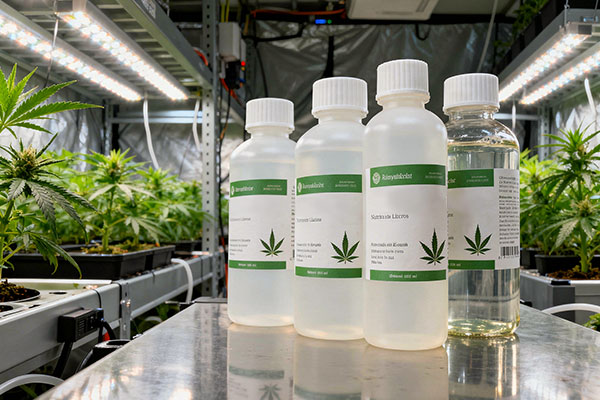
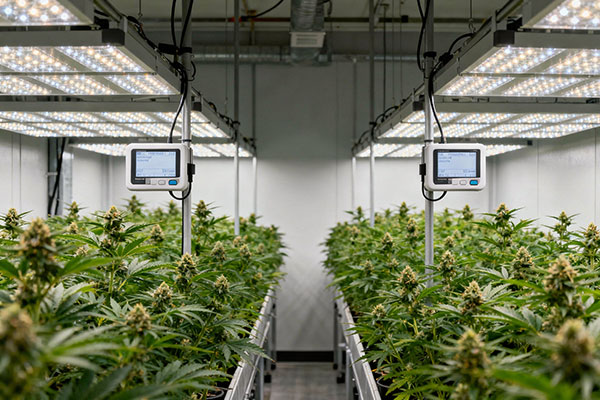
Environmental conditions influence how efficiently plants can regulate water, nutrients, and energy. Light, temperature, and humidity must work together to control transpiration and overall plant metabolism.
When these factors fluctuate or fall outside suitable ranges, plants must constantly adjust. This slows down growth and increases susceptibility to stress and disease.
This issue is most directly controllable in indoor growing, where the grower is responsible for maintaining stable conditions. In outdoor cultivation, environmental control is limited, but timing and plant adaptation become critical.
Common problems:
- Temperature fluctuations
- Humidity levels not aligned with growth stage
- Insufficient or uneven airflow
How to fix it fast (indoor growing):
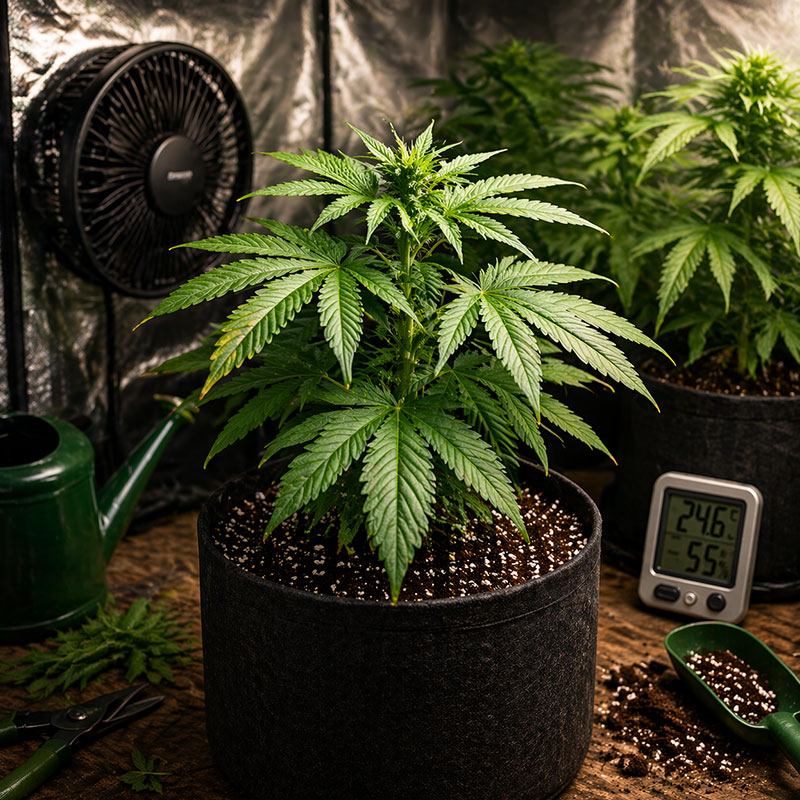
- Maintain stable temperature ranges (indoor):
Vegetative stage: 22–26°C
Flowering stage: 20–26°C
Avoid daily swings larger than ±2–3°C - Control humidity according to plant stage:
Seedling: 65–70%
Vegetative: 55–65%
Flowering: 40–50%
Late flowering: 35–45% - Maintain consistent, indirect air movement across the canopy, avoid pointing fans directly at plants, and ensure regular air exchange
- Monitor VPD (vapor pressure deficit):
Veg: 0.8–1.2 kPa
Flower: 1.2–1.6 kPa
Outdoor considerations:
While outdoor growers cannot control the environment directly, they can reduce risk through timing and plant preparation.
- Transplant timing (critical): Move plants outdoors only when night temperatures consistently stay above ~10–12°C. Cold nights can slow root activity and shock young plants.
- Hardening off seedlings: Gradually expose indoor-grown plants to outdoor conditions over 5–10 days. Start with a few hours of sunlight per day and increase exposure progressively.
- Temperature extremes: High heat (>30°C) can reduce growth and increase water demand. Cold stress (<10°C) can slow development or cause damage.
- Site selection: Choose locations with good airflow but protection from strong wind. Avoid low spots where cold air and humidity accumulate.
Environmental consistency is often more important than hitting “perfect” numbers. Stable conditions allow the plant to function efficiently, while sudden changes force repeated stress responses that reduce overall performance.
6. Mismanaging Plant Stress Signals
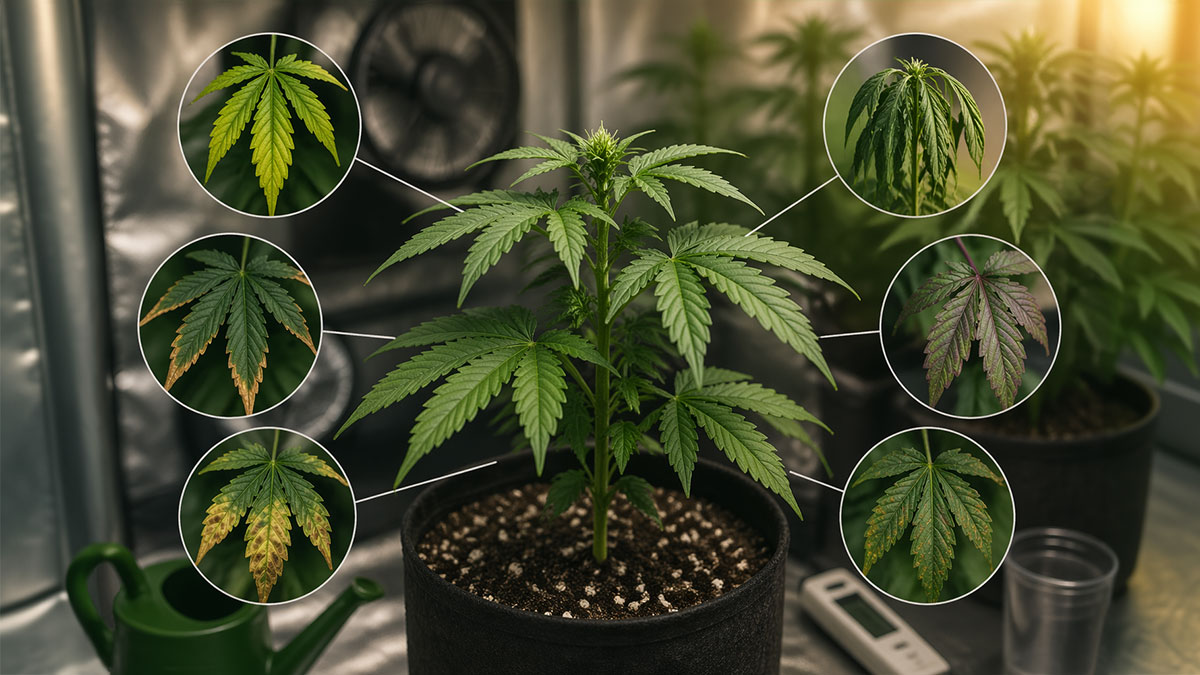
Cannabis plants communicate stress early. These signals often appear before major damage occurs, making them useful for early intervention, but it’s important not to overlook them.
Early signs of cannabis plant stress include:
- Leaf curling or clawing
- Discoloration (yellowing, spotting)
- Slowed or uneven growth
- Drooping despite correct watering
How to fix it fast:
- Inspect plants daily, including the underside of leaves
- Track changes over 24-48 hours, then act
- Identify one likely cause at a time (watering, nutrients, environment)
- Avoid making multiple adjustments simultaneously
- Correct issues gradually rather than abruptly
Responding early prevents small issues from developing into larger problems and causing yield loss.
7. Harvesting Too Early or Too Late
Harvest timing directly affects potency, terpene profile, and overall product quality. Cutting too early or too late changes both potency and overall product characteristics.
Common mistakes include:
- Harvesting based on schedule instead of plant signals
- Ignoring trichome development
How to fix it fast:
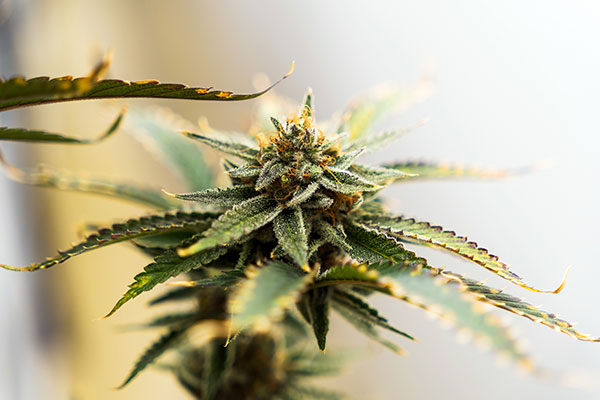
- Monitor trichomes with magnification:
Clear: not ready
Cloudy: peak THC
Amber (10-20%): more mature, heavier effects - Harvest based on desired outcome, not just timing
- Avoid rushing harvest due to operational pressure
- Avoid delaying harvest once optimal window is reached
This is where cultivation decisions directly translate into final product value.
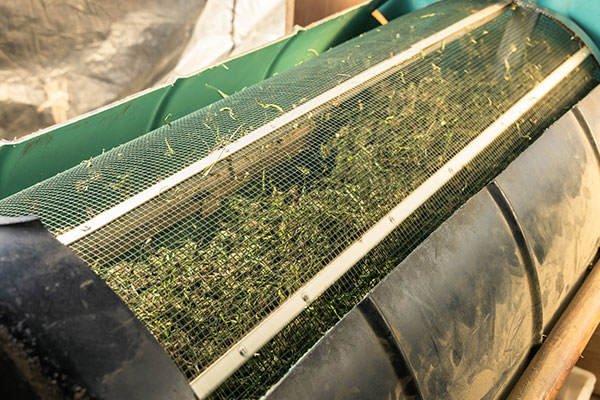
8. Ignoring the Impact of Post-Harvest on What You Grew
Many growers focus heavily on cultivation – nutrients, environment, plant health – but overlook what happens immediately after harvest. This is a critical mistake.
Even perfectly grown plants can lose a significant part of their value during trimming and drying. In this sense, one of the most common cannabis growing mistakes is treating post-harvest as a separate phase, rather than a continuation of cultivation.
If post-harvest processing is not controlled, the result is:
- trichome loss
- reduced terpene content
- lower visual quality
How to fix it fast:
- Plan post-harvest workflows before harvest begins
- Handle flowers as little as possible
- Avoid aggressive or inconsistent trimming methods
- Ensure drying conditions are stable and controlled
Temperature: 18–22°C
Humidity: 50–60% RH
Drying time: 7–14 days
Consistent, controlled processing helps preserve the quality achieved during cultivation.
Preventing Mistakes Is Easier Than Fixing Them
Most common cannabis growing mistakes are predictable – and preventable. They typically arise from small inconsistencies in watering, root conditions, environment, or timing. The challenge is not knowing they exist, but recognizing how they connect.
Across cultivation and processing, the pattern is clear:
- Poor root conditions → plant stress
- Plant stress → reduced growth
- Poor handling → quality loss
Growers who move from reactive fixes to system-based optimization consistently achieve:
- Higher yields
- Better product quality
- More efficient operations
In this context, tools and systems that eliminate common failure points, such as transplant stress, poor root aeration, or uncontrolled processing, become more than conveniences. They become strategic advantages in modern cannabis production.
FAQ: Common Cannabis Growing Mistakes
What is the most common mistake when growing cannabis?
One of the most common cannabis growing mistakes is overwatering. Many growers water too frequently, which reduces oxygen in the root zone and slows plant growth. Cannabis roots need both water and air to function properly, so allowing the substrate to partially dry between watering cycles is essential. Other common mistakes include poor root development, incorrect nutrient management, and unstable environmental conditions.
How do you fix overwatered cannabis plants?
To fix overwatered cannabis plants, stop watering until the top 2–3 cm of soil dries out to restore oxygen in the root zone. Improve drainage with a more aerated medium and ensure excess water can drain freely. In the future, reduce watering frequency rather than just the amount of water. In most cases, plants recover once oxygen levels in the root zone are restored.
How can you tell if a cannabis plant has nutrient problems?
Cannabis plants usually show nutrient problems as changes in leaf color and structure. Yellowing lower leaves often indicate nitrogen deficiency, while yellowing upper leaves suggest possible micronutrient issue or pH imbalance. Burnt tips typically happen because of overfeeding, and spots or discoloration may indicate calcium, magnesium, or pH imbalance. Because symptoms can overlap, always check both feeding levels and pH before making adjustments.
What causes cannabis plants to grow slowly?
Slow cannabis growth is most often caused by poor root conditions, incorrect watering, nutrient imbalance, or unstable environmental conditions. These factors reduce the plant’s ability to absorb water and nutrients efficiently. Improving root health and stabilizing the environment usually leads to noticeable recovery within a few days.
Why is my cannabis plant turning yellow?
Yellowing leaves can have different causes depending on where they appear. Lower leaves turning yellow often indicate nitrogen deficiency, while upper leaf yellowing can be linked to pH or micronutrient issues. If the whole plant is affected, the cause is often overwatering or root problems. Identifying the pattern of yellowing helps determine the correct fix.
How do you avoid mistakes when growing cannabis?
The most effective way to avoid cannabis growing mistakes is to focus on consistency:
- Maintain stable environmental conditions
- Monitor plants daily
- Adjust watering and nutrients gradually
- Respond early to stress signals
Small, consistent adjustments are more effective than large corrective changes.

 Ganatik
 Re-Plant
 Marketing Support
 Cannabis World
 Terms & Conditions