
 Products
 For Distributors
 For Grow Shops
 About Miabis
 Contact
Machine dry trimming has become a standard part of post-harvest processing for many commercial cannabis cultivators. Compared to hand trimming, machine trimming can significantly reduce labor requirements and increase throughput, especially during large harvests.
However, achieving clean, consistent results is not simply a matter of feeding dried flowers into a trimming machine and turning it on.
The quality of machine dry trimming depends on the entire workflow. Drying conditions, flower preparation, machine settings, handling practices and cultivar characteristics all influence the final result. Small mistakes at any stage can lead to excessive leaf retention, over-trimming, increased trichome loss or unnecessary rework, all of which can contribute to hidden operational costs.
This guide explains how machine dry trimming cannabis works, how it differs from other trimming methods, and what growers can do at each stage of the process to achieve better and more consistent results.
What Is Machine Dry Trimming?
Machine dry trimming is the process of trimming cannabis flowers with a trimming machine after the drying stage and before final curing or storage.
Unlike wet trimming, where flowers are trimmed immediately after harvest, dry trimming takes place once the flowers have been dried to the desired condition. Instead of removing leaf material while it is still fresh and extended away from the flower, in dry trimming, sugar leaves are drier, more brittle and closer to the flower surface. This means the machine must be adjusted carefully enough to remove dry leaf material without overworking the bud.
Unlike hand trimming, machine trimming relies on a combination of flower movement, airflow, cutting action and processing time to remove excess leaf material efficiently across larger volumes.
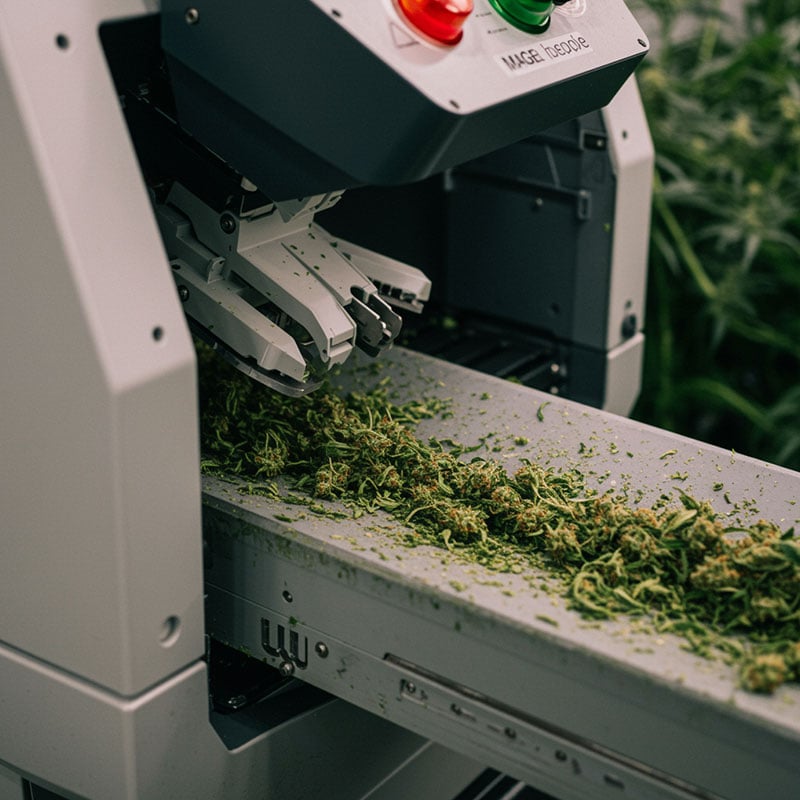
Many commercial cannabis cultivators prefer dry trimming because it allows drying and trimming to be separated into distinct post-harvest stages. This can provide greater workflow flexibility, reduce the amount of fresh material that must be handled immediately after harvest and help preserve flower structure during processing.
Because dry cannabis flowers behave differently than fresh material during processing, machine dry trimming requires careful control of flower condition, preparation methods and machine settings. The goal is not simply to remove leaf material as quickly as possible, but to achieve a clean trim while preserving flower structure, trichomes, aroma and marketable weight.
When flower condition or machine settings are not properly matched to the material being processed, trimming quality can quickly become inconsistent, leading to excessive leaf retention, over-trimming, unnecessary kief loss or reduced processing efficiency.
In the following sections, we’ll look at the complete machine dry trimming cannabis workflow and the key factors that influence trimming performance and final results.
Machine Dry Trimming Workflow: Step-by-Step
A successful machine dry trimming workflow can be divided into four main stages.
Step 1: Drying
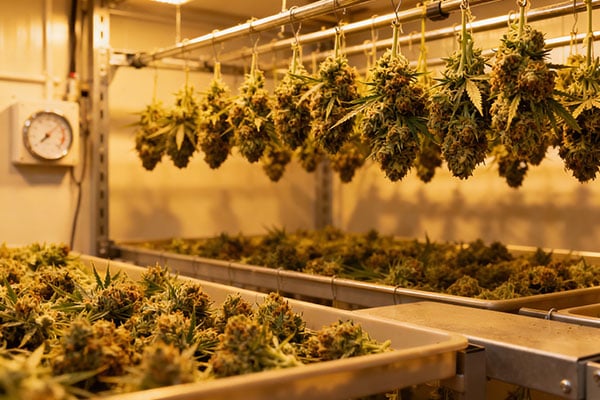
Flowers are dried either on whole plants, branches, drying racks or drying trays until the outer leaves and flower surface reach the desired condition for trimming. The goal is to remove enough moisture for efficient trimming while avoiding overdrying.
Key considerations during this stage include:
- achieving crisp sugar leaves while maintaining flower structure
- maintaining consistent drying conditions across batches
- keeping flowers separated by cultivar or drying zone when appropriate
- evaluating flower condition before moving to trimming
Step 2: Flower Preparation
Depending on the drying method, flowers are bucked from branches or collected from drying racks and prepared for trimming. Before trimming, growers should:
- avoid unnecessary handling and compression of dried flowers
- minimize long holding periods in sealed containers
- remove large stems and oversized fan leaves
- sort flowers by size, density or cultivar when needed
Step 3: Machine Trimming
Flowers pass through the trimming machine where excess leaf material is removed using a combination of movement, airflow and cutting action. To achieve consistent results:
- run a small test batch before processing larger volumes
- establish a consistent feed rate
- avoid dumping, crowding or stopping and starting repeatedly
- adjust tumbler speed, airflow and blade settings to the material being processed
- monitor trimming quality throughout the run
- make gradual adjustments rather than changing multiple settings at once
Step 4: Curing and Storage
After trimming, flowers are transferred into curing or storage containers where moisture equalization and maturation continue under controlled conditions. Avoid leaving trimmed flowers exposed to heat, light or uncontrolled humidity.
Each stage affects the next. For this reason, achieving better machine dry trimming cannabis results starts well before flowers ever enter the trimmer.
Dry Flowers to the Right Condition
If there is one stage that deserves extra attention, it is drying. While machine settings can be adjusted during trimming, flower condition is largely determined before flowers ever enter the machine. For a detailed look at temperature, humidity and airflow, see our guide to optimal drying conditions.
For machine dry trimming, growers are looking for a specific balance. The outer sugar leaves should be dry enough to feel crisp and trim efficiently, while the flower itself should still retain enough internal moisture to maintain structure and avoid becoming brittle.
Flowers that are too wet can be difficult to trim because the leaves remain flexible. Instead of separating cleanly, they may bend, fold or stay attached during processing.
Flowers that are too dry create a different problem. Excessively dry flowers can become fragile and may lose more trichomes or surface material during handling and trimming. For additional practical guidance, see our guide on how to trim cannabis without damaging trichomes.
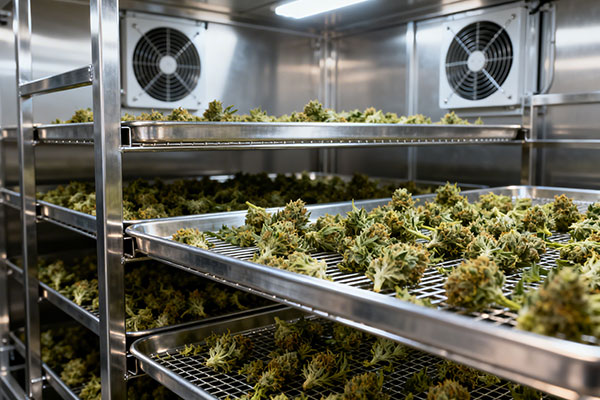
Before processing a batch, evaluate:
- Outer leaf texture: Sugar leaves should feel dry and slightly crisp. If they feel soft, rubbery or flexible, the flowers may still contain too much surface moisture for efficient machine trimming.
- Flower structure: The flower should remain firm and intact during normal handling. If flowers compress easily or feel spongy, they may require additional drying. If they crumble or shed heavily when touched, they may be overdried.
- Stem response: Small stems should bend with some resistance or snap lightly, depending on flower size and drying style. Thick stems can still contain moisture even when the flower surface feels ready, so stem snapping should not be used as the only indicator of trimming readiness.
One of the most common causes of inconsistent trimming results is processing flowers with different moisture levels in the same batch. Even within the same drying room, flowers from different trays, racks or drying zones may not dry at exactly the same rate. If one tray contains flowers that are much wetter than another, the same machine settings will not produce the same result. Keep batches separated when possible. Before trimming, group material by similar dryness, flower size and density whenever possible. Avoid mixing material from different drying zones or environments.
Practical Recommendation
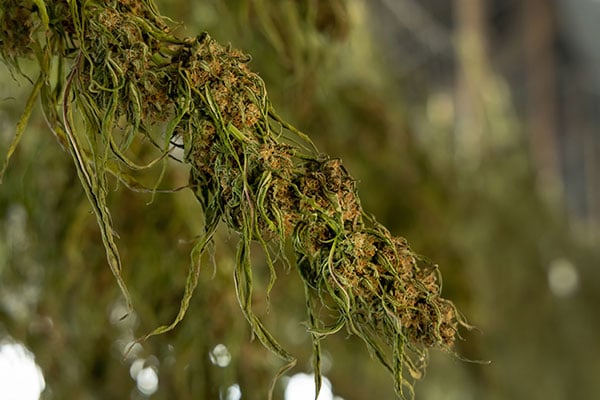
Before processing a large batch, run a small test sample.
Evaluate the results carefully and inspect:
- how much leaf material remains
- whether flowers are breaking apart or showing signs of damage
- whether flowers are becoming rounded or over-trimmed
- how much kief is being generated
- whether leaves are separating cleanly
If flowers come out too leafy, the first reaction is often to increase tumbler speed, increase airflow, reduce feed rate or run the flowers through the machine again. While these adjustments can sometimes help, they cannot fully compensate for flowers that are too wet, too dry or inconsistent from batch to batch.
Before making major changes to machine settings, first verify that the flowers are in the right condition for dry trimming. Once flower condition is consistent, machine settings can be adjusted to fine-tune the final result.
Small test runs can prevent costly mistakes across an entire harvest.
Handle Flowers Carefully Between Drying and Trimming
The transition between drying and trimming is often overlooked, but it can significantly influence machine performance.
Cannabis flowers do not dry evenly. During drying, the outer surfaces and sugar leaves typically lose moisture faster than the interior of the flower. This is normal and is one reason curing exists: after drying, remaining internal moisture gradually redistributes through the flower, helping stabilize texture, aroma and burn quality.
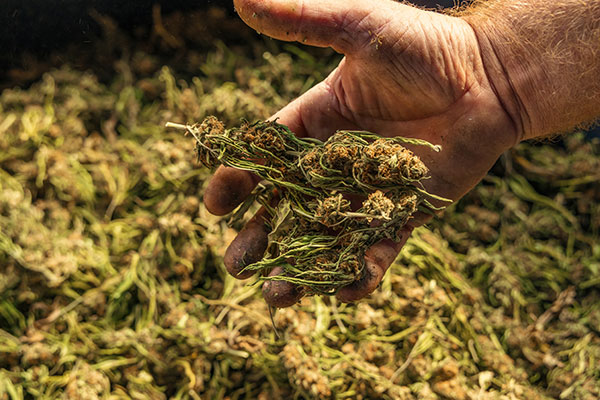
This also creates a temporary condition that is often ideal for machine dry trimming:
- outer leaves are crisp enough for the machine to remove
- flower structure remains intact
- some moisture still exists inside the flower so it’s not overly fragile
Problems can arise when flowers are removed from drying trays or racks and stored in buckets, bins or other enclosed containers before trimming. When flowers are placed together like this, internal moisture can gradually redistribute throughout the flower. As moisture moves from the interior toward drier outer tissues, sugar leaves may become slightly softer again.
The flowers may still appear dry overall, but trimming behavior can change.
Leaves that were previously crisp may become more flexible, which can make machine trimming less efficient and may require additional adjustments to achieve the same result.
Practical Recommendation
For best machine dry trimming results, move flowers as directly as possible from drying trays or drying racks into the trimming workflow.
Avoid this sequence when possible:
drying tray → closed bucket/bin → waiting period → trimming machine
A better workflow is:
drying tray → flower preparation → trimming machine
If temporary storage is necessary:
- use breathable or ventilated transfer containers where appropriate
- avoid tightly packing flowers
- minimize storage time before trimming
- keep batches separated by dryness level
- perform a small trimming test before processing the entire batch
The goal is simply to preserve the flower condition achieved during drying until trimming begins.
Prepare Flowers Before Machine Trimming
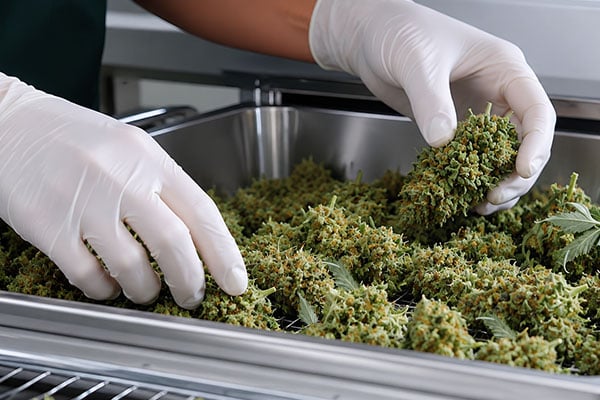
Machine dry trimming works best when flowers are prepared consistently before they enter the machine. Proper preparation improves consistency and reduces unnecessary stress on the flowers.
Trimming machines perform best when they receive uniform material.
Before trimming:
- remove large stems
- remove oversized fan leaves when present
- separate excessively large colas when necessary
- remove foreign material
- avoid compressing flowers during handling
Flower size and density can also affect trimming performance. Large, dense flowers may need more time or slightly more aggressive trimming. Small, airy flowers may need gentler handling and faster movement through the machine to avoid over-trimming. Running everything together often forces growers to compromise between under-trimming some flowers and over-trimming others.
Practical Recommendation
If processing larger volumes, consider separating flowers into categories such as:
- large dense flowers
- medium flowers
- small flowers
- delicate or airy flowers
This makes it easier to optimize machine settings, reduce variability and maintain consistent results throughout the batch.
Optimizing Machine Settings
Once flowers are properly dried and prepared, attention shifts to machine setup. Although machine designs vary, the same core principles generally apply.
Feed Rate
Feed rate means how quickly material is introduced into the machine. It influences how full the tumbler or trimming chamber becomes and can affect how long flowers are exposed to trimming action.
If feed rate is too high:
- flowers may be under-trimmed
- processing becomes inconsistent
- additional processing may be required
If feed rate is too low:
- flowers may spend too much time inside the machine
- trichome loss can increase
- flowers may become more rounded
- flowers may become over-trimmed
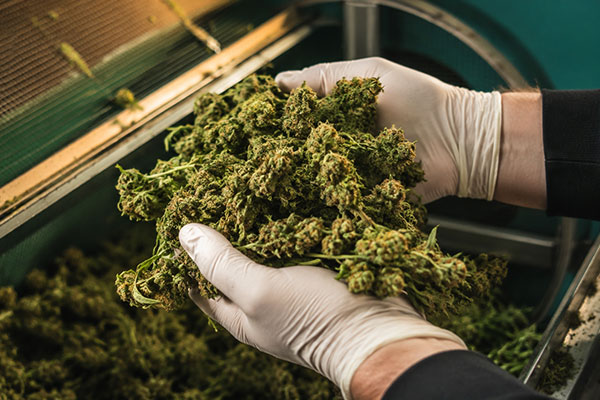
A steady and consistent feed rate keeps the machine properly loaded without overcrowding it, often producing better results than simply trying to maximize throughput. Flowers should move smoothly through the machine, with enough space to tumble, rotate and expose different sides to the trimming action.
Practical recommendation:
- Start with a small test batch.
- Feed flowers in a steady, even layer.
- Avoid dumping large amounts into the machine at once.
- Watch the outfeed quality.
- If flowers are too leafy, reduce feed rate slightly before increasing machine intensity.
- If flowers look overworked, increase feed rate slightly or reduce machine intensity.
- Once the result is good, keep the same feeding rhythm for the entire batch.
For conveyor-fed systems, avoid piling flowers in thick layers. A single, consistent layer usually gives more predictable results than uneven clumps.
For hand-fed systems, assign one person to feeding and make that person responsible only for consistent flow. Inconsistent feeding is one of the easiest ways to create inconsistent trimming results.
Do not feed the machine based on how fast it can accept material. Feed it based on how cleanly it trims material.
Tumbler Speed
Tumbler speed controls how aggressively flowers move through the machine.
Higher speeds generally increase flower movement and contact. This can help increase flower rotation and expose more leaf material to the trimming action. But too much speed can also increase mechanical impact, especially with dry flowers.
Lower speeds provide gentler handling and may be better for delicate, airy or very dry flowers. However, if the tumbler speed is too low, flowers may not rotate enough, and some leaves may remain hidden or untrimmed.
The ideal tumbler speed depends on flower density and size, dryness level, cultivar structure, desired trim finish, and machine design. Dense flowers can usually tolerate slightly more movement than airy flowers. Delicate flowers often need slower, gentler handling.
Practical recommendation:
- Start with a moderate tumbler speed.
- Increase speed if flowers are not rotating adequately or leaves remain consistently attached on one side of the flower.
- Reduce speed if flowers appear excessively rounded, flowers are breaking apart or trichome loss appears excessive.
If large flowers remain leafy, sort them separately and run with slightly more exposure instead of overworking the entire batch.
When adjusting tumbler speed, make small changes and wait long enough to see the result at the outfeed. Do not judge the effect instantly if there is a delay between the infeed and outfeed.
Blade Speed and Airflow
Cutting performance is influenced by both blade speed and airflow or suction.
Airflow helps pull leaves away from the flower and toward the cutting area, where the blade removes the exposed leaf material. If suction is too weak, leaves may not be pulled effectively into the cutting path and excess leaf material can remain on the flower. If suction is too strong, dry flowers can be pulled too aggressively against the cutting surface, increasing the risk of over-trimming or trichome loss.
Blade speed also requires balance. Higher blade speeds can create cleaner cuts when enough leaf material is exposed, but they can also increase trimming intensity. Lower blade speeds are generally gentler, but if they are too low, the machine may leave ragged or incomplete leaf material behind.

Practical recommendation:
- Start with moderate vacuum and moderate blade speed.
- If leaves are not being pulled toward the cutting area, increase vacuum slightly.
- If flowers are being overworked or losing too much surface material, reduce vacuum first.
- If cuts look incomplete or leaf tips remain, increase blade speed slightly.
- If flowers look shaved, rounded or overly exposed, reduce blade speed or reduce time in the trimming zone.
- Clean cutting surfaces if performance declines during the batch.
The best setting is the lowest effective intensity that achieves the desired trim quality in one controlled pass. Avoid the common assumption that maximum airflow or blade speed automatically produces better results. In many cases, moderate settings provide cleaner and more consistent trimming.
Time in the Machine
Every second a flower spends inside the trimming chamber increases mechanical contact. Some contact is necessary, but too much can reduce flower quality.
While under-trimmed flowers may appear to need more time in the machine, a second pass is not always the best solution. In many cases, better results can be achieved by adjusting flower preparation, feed rate or machine settings so the flower receives the right amount of exposure during the first pass.
Practical recommendation:
Aim for the shortest exposure time that achieves the desired trim quality.
If the first test batch is under-trimmed:
1. Check whether the flowers are dry enough.
2. Reduce feed rate slightly.
3. Increase tumbler speed slightly if flowers are not rotating adequately.
4. Increase vacuum slightly if leaves are not being pulled toward the cutting area.
5. Increase blade speed only if leaf cutting appears incomplete.
6. Re-test before deciding on a second pass.
If the first test batch is over-trimmed:
1. Increase feed rate slightly.
2. Reduce tumbler speed.
3. Reduce vacuum.
4. Reduce blade speed if needed.
5. Check whether flowers are too dry or too fragile.
Repeated passes should generally be viewed as a corrective measure rather than a standard operating procedure.
Adjust for Different Cultivars
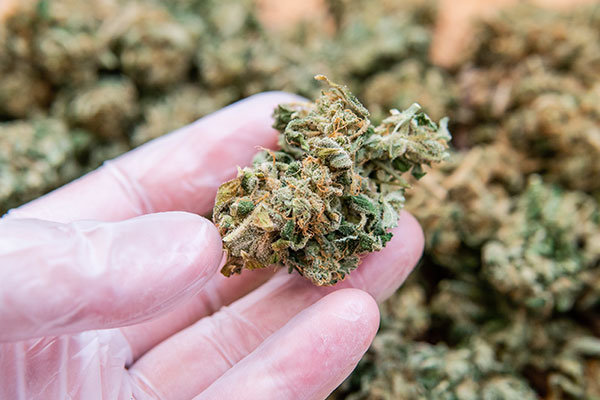
Different cannabis cultivars trim differently. Some cultivars produce dense flowers with short sugar leaves. Others produce airy flowers with longer, more exposed leaf material. Some have strong structure and tolerate more aggressive handling well. Others are delicate and need a lighter touch.
Resin level also matters. Very sticky flowers can create faster buildup on machine parts, especially if they are not dry enough. Dry, resinous flowers may also shed more kief if handled aggressively.
This means one machine setting cannot be perfect for every cultivar.
Practical Recommendation
Maintain a simple trimming log for each cultivar.
Record:
- drying conditions (time, room temperature and humidity)
- flower size and density
- perceived dryness at trim
- feed rate
- tumbler speed
- airflow settings
- blade speed
- trimming results (trim quality, kief output, notes on damage or over-trimming)
Over time, this creates a valuable reference that helps operators return to known starting settings for each cultivar, reducing setup time and improving consistency between harvests.
Keep the Machine Clean
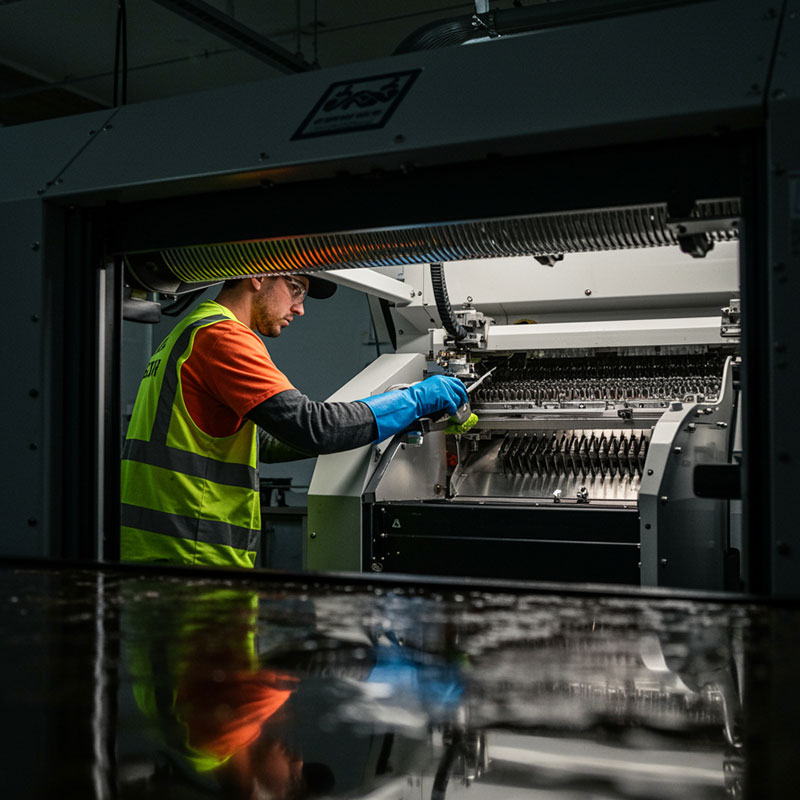
Cannabis flowers are naturally resinous. During trimming, resin, leaf particles and kief can build up on contact surfaces, blades, screens, tumblers, bags and airflow paths.
As buildup increases, trimming performance changes. The machine may become less efficient, airflow may decrease, cuts may become less clean, material may move less smoothly and trim quality may become less consistent.
If performance drops during a batch, the problem may not be the flower or the settings. The machine may simply need cleaning.
Practical Recommendation
Build routine cleaning into the workflow instead of waiting until quality declines.
At minimum:
- inspect cutting surfaces between batches
- check airflow paths and collection areas
- empty trim or waste collection before airflow is reduced
- remove sticky buildup before it affects performance
- clean more often when trimming sticky or slightly wetter material
- document cleaning intervals if different cultivars consistently produce different levels of buildup
Consistent maintenance helps keep machine performance predictable throughout the harvest. If trimming quality declines despite using the same flowers and settings, check cleanliness before changing machine adjustments.
A clean machine is part of quality control.
Machine Dry Trimming with Ganatik
The principles discussed throughout this article apply to any trimming machine, but Ganatik was specifically designed to give growers greater control over the variables that influence dry trimming performance.
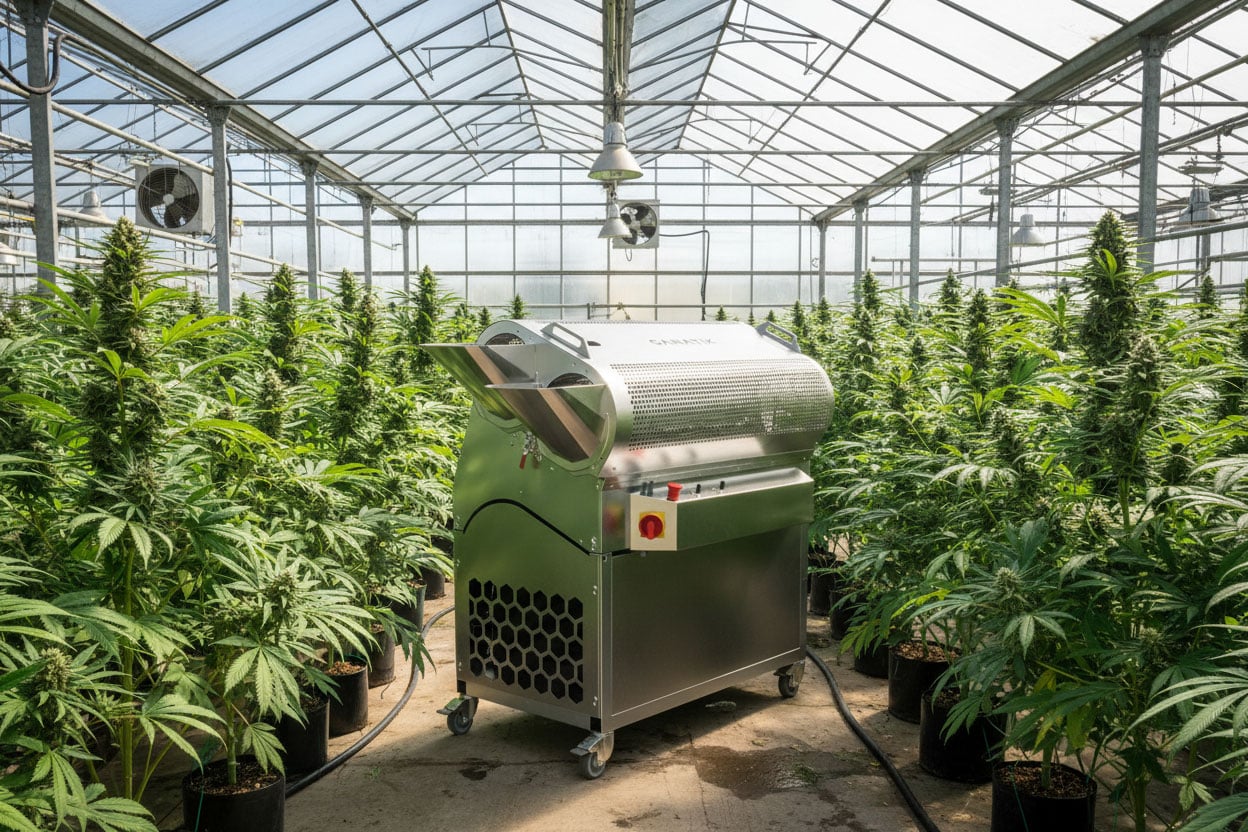
Ganatik processes both wet and dry cannabis flowers using the same machine. Instead of changing tumblers or switching between different processing systems, growers can adapt the trimming behavior by adjusting tumbler speed, blade speed and vacuum intensity to suit different cultivars, flower sizes and moisture levels.
The machine’s dual-tumbler design allows material to be processed through one tumbler or both simultaneously, helping improve throughput while maintaining control over trimming intensity.
Ganatik also integrates kief collection into the post-harvest workflow, allowing growers to recover valuable material generated during processing rather than treating it as waste.
Another advantage is the self-cleaning system, which reduces downtime associated with manual cleaning and helps maintain more consistent machine performance throughout long trimming sessions.
The best results, however, still depend on proper drying, flower preparation, feed rate and machine setup. Even advanced equipment performs best when it is supported by a well-managed post-harvest workflow.
Building a Better Machine Dry Trimming Workflow
Machine dry trimming cannabis is not just about putting dried flowers into a trimmer. It is a controlled post-harvest process where flower condition, moisture behavior, feed rate and machine settings all work together.
Growers who focus only on machine settings often overlook opportunities to improve trimming quality earlier in the process. At the same time, even perfectly prepared flowers still require proper machine setup to achieve consistent results.
For the best outcomes:
- dry flowers to a consistent condition
- handle flowers carefully between drying and trimming
- prepare batches properly
- optimize feed rate, tumbler speed and airflow
- adjust settings for different cultivars
- start with moderate settings
- adjust one variable at a time
- maintain equipment regularly
- document successful settings and workflows
The most consistent machine dry trimming results usually come from growers who view trimming as a complete workflow rather than a single machine operation. When each stage supports the next, machine dry trimming can deliver both efficiency and quality at commercial scale.
FAQ: Machine dry trimming cannabis
Should cannabis be machine trimmed wet or dry?
Cannabis can be machine trimmed either wet or dry, and neither method is universally better. Dry trimming is often preferred because it separates drying and trimming into distinct post-harvest stages and can help preserve flower structure, while wet trimming may be useful in humid environments or when faster processing is needed. The best choice depends on cultivation conditions, workflow preferences and the desired final product.
When should cannabis be machine dry trimmed?
Machine dry trimming is typically performed after drying and before long-term curing or storage. The ideal time is when the outer sugar leaves are dry enough to trim efficiently while the flower still retains enough internal moisture to maintain structure.
Why do dry flowers sometimes become harder to trim?
Dry flowers can become harder to trim because of inconsistent drying, uneven moisture levels, cultivar differences or incorrect machine settings. Flowers may also trim differently if moisture redistributes after storage in enclosed containers before trimming.
Should flowers be sorted before machine trimming?
Yes, sorting flowers by size, density or cultivar helps improve trimming consistency because similar flowers usually respond more predictably to the same machine settings.
How important is feed rate in machine trimming?
Feed rate is an important variable in machine trimming because it determines how much material enters the machine at one time. Overloading can reduce flower movement, decrease trimming consistency and leave excess leaf material behind. A steady, consistent feed rate usually produces the most predictable results.
Should flowers be run through the machine more than once?
Multiple passes are sometimes necessary, but they should generally be the exception rather than the standard workflow. Before running flowers through the machine again, growers should first evaluate flower condition, feed rate and machine settings to determine whether the desired result can be achieved in a single pass.

 Ganatik
 Re-Plant
 Marketing Support
 Cannabis World
 Terms & Conditions