
 Products
 For Distributors
 For Grow Shops
 About Miabis
 Contact
Choosing the right cannabis containers is one of the most underestimated decisions in cannabis cultivation – and one that is often full of costly mistakes.
While growers tend to focus on nutrients, lighting and genetics – all key factors that affect cannabis plant growth – the container directly defines how roots develop and roots define everything else. Oxygen availability, water retention, nutrient uptake and overall plant stability all depend on the environment below the surface.
Because of this, container choice is not just a technical detail. It is a structural decision that shapes plant performance from the very beginning. Choosing the wrong container does not just slow growth. It introduces limitations that follow the plant through its entire lifecycle, affecting both yield and operational efficiency.
Below are the most common mistakes growers make when choosing cannabis containers and how those mistakes impact performance, consistency and yield.
Why Container Selection Matters More Than Most Growers Think
Container choice directly defines how roots develop. And roots define how the plant performs.
The root system is not just a support structure – it is the plant’s engine.
A well-developed root system is responsible for:
- efficient nutrient and water uptake
- regulating oxygen exchange in the root zone
- anchoring and stabilizing the plant
- supporting overall metabolic activity
- enabling faster vegetative growth
- increasing resilience to environmental stress
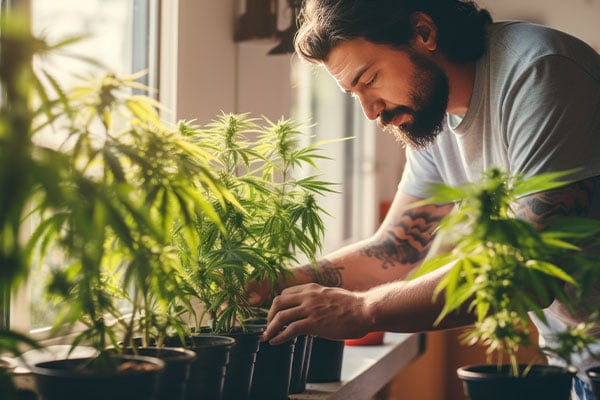
The container defines:
- how much space roots can occupy
- how much oxygen reaches them
- how water moves and drains
- how easily roots can expand and branch
In other words, the container is not passive – it actively shapes how the plant grows.
Mistake #1: Choosing the Wrong Container Size
Container size directly controls how and when roots expand.
Too small:
- roots become restricted early
- growth slows down prematurely
- plants remain underdeveloped
Too large:
- roots struggle to colonize the substrate efficiently
- water distribution becomes uneven
- wet zones remain unused, increasing overwatering risk
When roots are restricted, the plant cannot absorb nutrients efficiently or support full canopy development, which directly limits biomass and bud formation. On the other hand, when the container is too large too early, uneven moisture distribution can slow root development and reduce overall plant vigor during key growth stages.
In both cases, the result is the same: suboptimal root development leads to suboptimal plant performance, and ultimately, lower yield potential.
The issue is not just the size, but also timing. Roots need to gradually occupy space in sync with plant development. To compensate, many growers transplant multiple times during the cycle. While this temporarily solves the size mismatch, it introduces additional complexity – mainly stress, labor and workflow inefficiency.
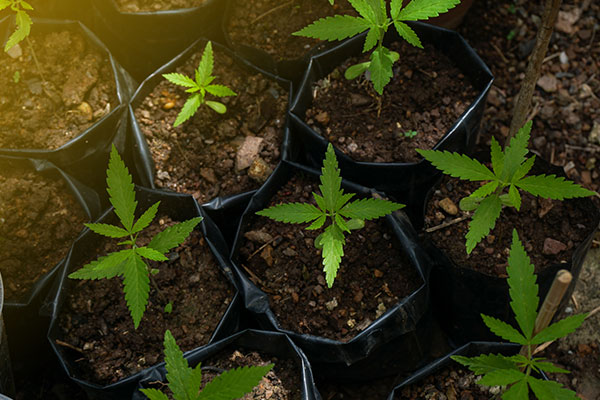
Mistake #2: Ignoring Root Oxygenation
Roots require oxygen for respiration. Without sufficient oxygen, they cannot effectively absorb nutrients or maintain healthy growth.
Standard plastic containers often:
- have limited side airflow
- rely only on bottom drainage holes
- create compact, low-oxygen zones
This leads to:
- reduced root activity
- slower nutrient uptake
- weaker plant development
- increased risk of pathogens
Over time, low oxygen environments can significantly limit plant performance. When roots cannot respire properly, nutrient uptake slows down and plant metabolism becomes less efficient. This results in slower growth, weaker structure, and reduced energy available for flower development. In practice, poor root oxygenation often leads to smaller plants and lower-quality yields at harvest.
Aerated containers improve this by allowing airflow through the sides, which supports more active root zones and healthier development. This type of airflow can also trigger air pruning, a process where root tips stop growing when exposed to air, encouraging the development of a more fibrous and efficient root system.
Mistake #3: Poor Drainage Design
Drainage and oxygenation are closely connected, but not the same. Water management is directly influenced by container structure.
Containers with poor drainage:
- retain excess water in lower zones
- create anaerobic (oxygen-poor) conditions
- increase the risk of root rot and disease
Even experienced growers struggle to maintain proper watering balance if the container does not support consistent drainage.
Well-designed containers ensure:
- even water distribution
- efficient runoff of excess water
- stable moisture levels throughout the root zone
Poor drainage ultimately limits yield potential. When excess water remains in the root zone, roots cannot function efficiently, which slows growth and reduces the plant’s ability to fully develop during key stages.
Mistake #4: Overlooking Root Behavior (Root Circling)
In traditional containers, roots often hit the wall and begin circling. This creates:
- dense, spiral root formations
- reduced ability to absorb nutrients efficiently
- long-term growth limitations
Root circling is not always visible above ground, but it directly affects plant performance and final yield.
The goal is not just root growth, but also root structure. Solutions such as aeration and root-guiding designs help promote fibrous root systems, which are more effective for nutrient uptake and overall plant performance.
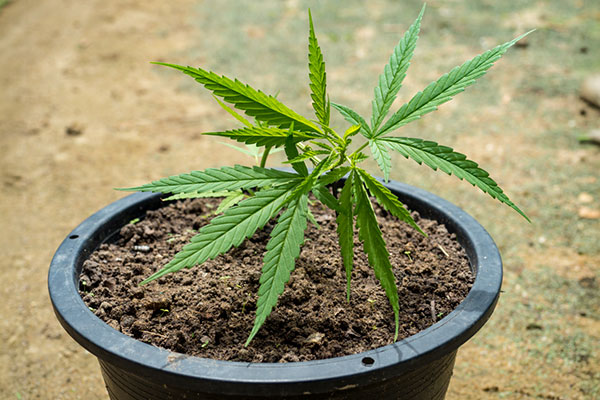
Mistake #5: Using Static Containers That Don’t Adapt to Plant Growth
Most traditional containers are static. Their size and structure remain the same from the moment the plant is placed inside until harvest (or transplant). However, cannabis plants do not develop in a static way.
As the plant moves from early growth to vegetative expansion and flowering, the root system requires progressively more space, oxygen and stability. A fixed container cannot efficiently support all of these stages at once. This creates a structural mismatch, which is why most growers rely on transplanting. By transplanting, plants are moved from smaller to larger containers to gradually increase root space:
- small pot → medium pot → large final pot
While this approach works, transplanting introduces additional complexity. It requires repeated manual handling, precise timing and causes stress to the plant, which results in temporary slowdowns in growth.
From an operational perspective, using multiple containers per plant means:
- higher upfront costs
- more storage space
- increased handling and logistics
- more cleaning and maintenance
In small grows, this is manageable. In larger operations, where time, labor and consistency directly affect profitability, it becomes a major bottleneck.
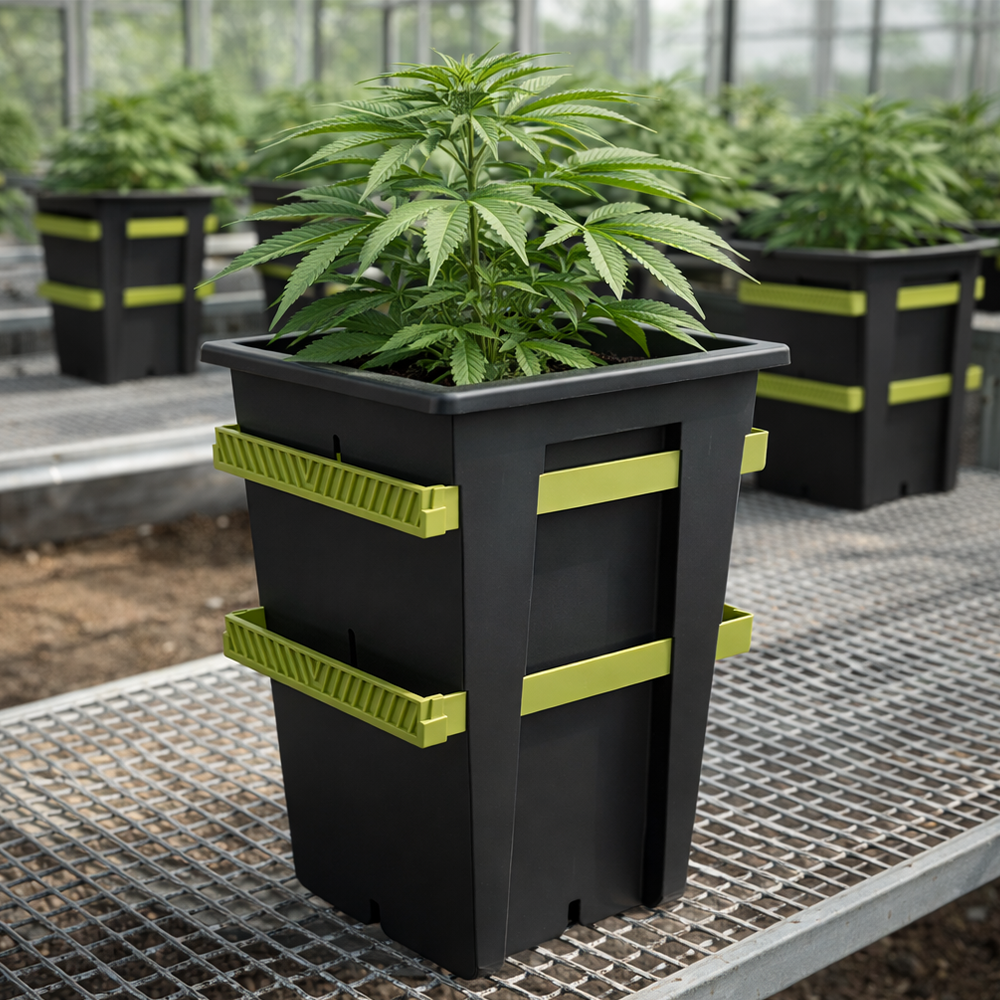
Modern cultivation strategies are moving away from this model. Instead of adapting the plant to different containers, more effective systems allow the container to adapt to the plant’s development over time. This allows:
- gradual expansion of root space
- more uniform root development
- consistent oxygen availability
- stable water management
- uninterrupted growth with less stress
From an operational perspective, this also reduces:
- manual handling (no transplating)
- storage requirements
- workflow complexity
- lower overall costs.
From a plant perspective, repeated stress and interrupted root development reduce overall growth efficiency. When plants cannot develop a stable and continuous root system, they are less able to support full canopy expansion and flower production. As a result, even well-managed grows can experience reduced yield potential due to structural limitations in the container system.
In practice, more adaptable container systems improve both plant performance and cultivation efficiency, without adding unnecessary complexity. This approach also becomes relevant in automated bottom-feeding setups, where systems such as RE-PLANT and AutoPot can work together to support progressive root expansion and transplant-free cultivation.
Container Choice Is a Growth Strategy, Not a Detail
Container selection is not a minor technical decision. It is a foundational part of the cultivation system.
The wrong container:
- limits root development
- increases stress
- adds unnecessary labor
- reduces overall efficiency
The right container:
- supports continuous root expansion
- maintains stable growing conditions
- simplifies workflow
- enables scalable cultivation
Ultimately, effective cultivation strategies align container design with plant biology, not the other way around.
Avoiding common mistakes when choosing cannabis containers is essential for building a system that supports both plant performance and operational efficiency. For growers focused on maximizing results, rethinking container strategy is one of the highest-impact decisions they can make.
FAQ: Common Mistakes in Choosing Cannabis Containers
Why is container size important for cannabis plants?
Container size determines how much space roots have to grow. If the container is too small, growth is restricted. If it is too large, water management becomes difficult and root development can be inefficient.
Do cannabis plants need to be transplanted?
In traditional systems, yes. Growers typically transplant 2–3 times to increase root space. However, this introduces stress and requires additional labor. Some modern container systems eliminate the need for transplanting entirely.
What happens if roots don’t get enough oxygen?
Low oxygen levels reduce nutrient uptake and slow plant growth. In severe cases, it can lead to root disease and plant decline.
What is root circling and why is it a problem?
Root circling occurs when roots grow along the container walls in a circular pattern. This limits root efficiency and can negatively impact plant growth and yield.
Are fabric or aerated containers better than plastic pots?
Aerated containers generally provide better oxygen flow and can improve root development. However, they still do not solve all issues, such as transplanting or container scalability.
How does container choice affect yield?
Container design directly impacts root health, and root health affects nutrient uptake, growth rate and plant stability, all of which influence final yield.

 Ganatik
 Re-Plant
 Marketing Support
 Cannabis World
 Terms & Conditions