
 Products
 For Distributors
 For Grow Shops
 About Miabis
 Contact
What Affects Cannabis Plant Growth?
Key Factors Every Grower Should Understand
Cannabis plant growth is not controlled by a single factor. It is the result of multiple variables working together – or against each other. Many growers focus heavily on lighting or nutrients, but real performance comes from understanding the full system.
Healthy cannabis plants grow faster, develop stronger structures and produce better yields. Poorly managed conditions, on the other hand, lead to slower growth, stress and inconsistent results.
In this guide, we break down what affects cannabis plant growth and how growers can optimize each factor for better outcomes.
What affects cannabis plant growth?
Cannabis plant growth is affected by five key factors: light, environment (temperature and humidity), nutrients and water, genetics, and root system health. These factors work together, and if one is limiting, it will restrict overall plant development and yield.
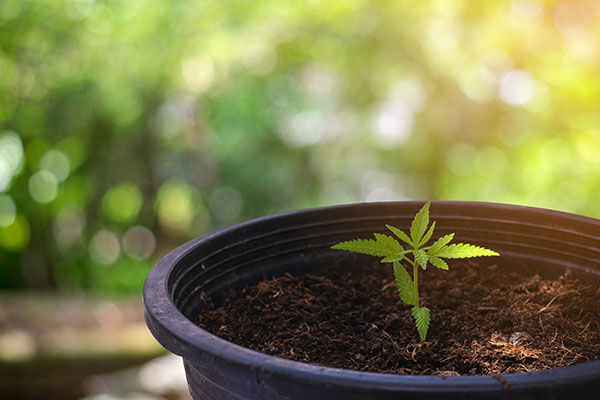
Key Factors That Affect Cannabis Plant Growth
While cannabis plant growth depends on multiple inputs, these factors do not all play the same role. Some provide energy, others regulate conditions, and some directly control how efficiently the plant can develop.
The core drivers of cannabis growth include:
- Light – the energy source that drives photosynthesis
- Environment (temperature, humidity, airflow) – the conditions that regulate plant metabolism
- Nutrients and water – the building blocks of growth
- Genetics – defines plant’s maximum potential
- Root system – controls nutrient uptake and growth speed
These factors are interconnected and must be balanced. If one becomes limiting, it will reduce the effectiveness of all others. In practice, this means that improving a single factor rarely solves growth issues, since performance depends on how well the entire system works together.
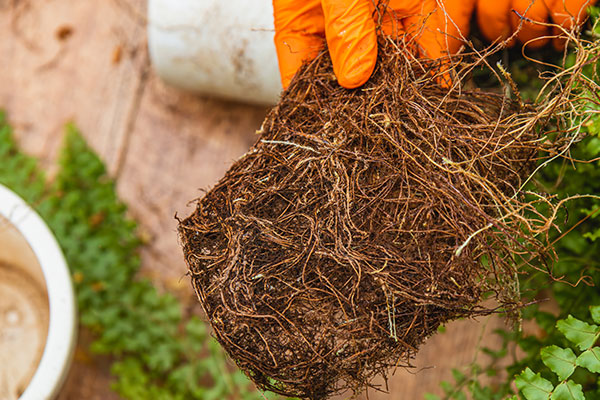
One of the most overlooked yet critical factors is the root system. While everything above ground is visible, real growth performance starts below the surface.
Light: The Energy Source
Light is the primary driver of plant growth. Cannabis uses light to power photosynthesis, which fuels all development.
Key elements to consider:
- Light intensity → insufficient light slows growth
- Spectrum → different growth stages benefit from different wavelengths
- Photoperiod → controls vegetative and flowering stages
Indoor growers have full control over lighting but must carefully balance intensity and distance. Too little light limits growth, while too much can stress the plant.
Light intensity ultimately sets the ceiling for growth – without sufficient light, other inputs like nutrients and CO₂ cannot be fully utilized.
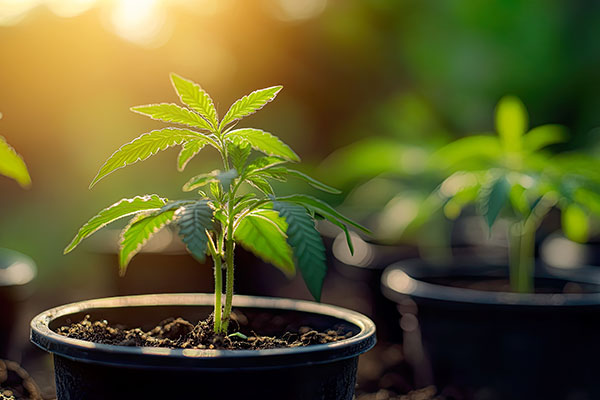
Environment: Temperature, Humidity, and Airflow
Environmental conditions directly affect plant metabolism.
- Temperature influences growth speed and enzyme activity
- Humidity affects transpiration and nutrient uptake
- Airflow helps prevent mold and strengthens plant structure
Stable conditions are more important than perfect ones. When environmental conditions are unstable, plants must constantly adapt instead of focusing on growth, which reduces overall efficiency.
Many growers use simplified VPD (Vapor Pressure Deficit) principles to balance temperature and humidity for optimal performance.
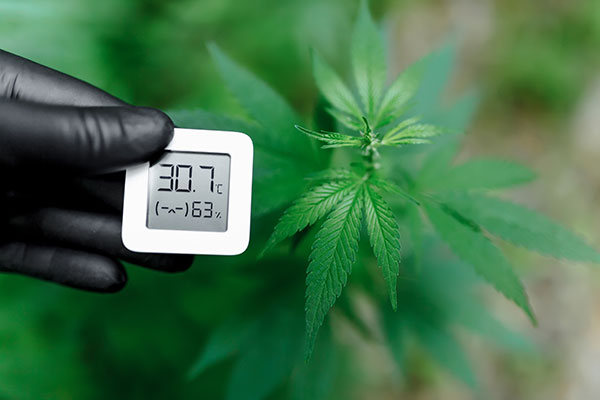
Nutrients and Water Management
Cannabis plants require a balanced and accessible supply of nutrients to grow efficiently:
- Macronutrients: nitrogen (growth), phosphorus (root and flower development), potassium (overall plant function)
- Micronutrients: calcium, magnesium, iron and others that support metabolic processes
Both overfeeding and deficiencies can disrupt growth. Excess nutrients can cause toxicity and lockout, while deficiencies limit plant development and reduce vigor.
However, it’s not just about what nutrients are available, but how effectively the plant can absorb and use them.
Water plays a critical role as the delivery system for nutrients:
- Overwatering reduces oxygen availability in the root zone, slowing nutrient uptake
- Underwatering limits nutrient transport and stresses the plant
In practice, nutrient availability and water management are tightly linked to root health. Even a perfectly balanced feeding schedule will not perform if the root environment is not properly oxygenated. The growing medium also plays a major role here. Soil, coco coir, and rockwool each hold water, oxygen, and nutrients differently, which affects how often plants need watering and how efficiently roots can absorb nutrients.
The goal is consistency and balance, not extremes.
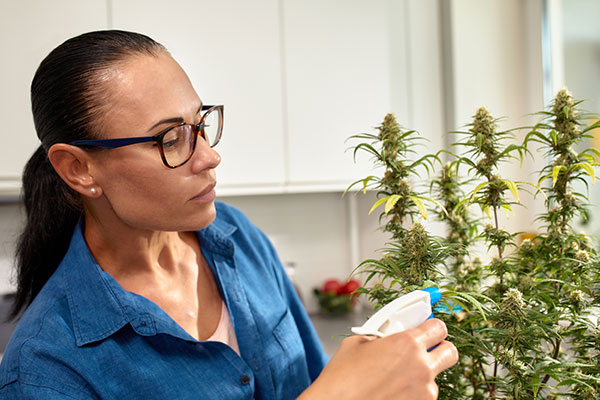
Root System: The Hidden Growth Engine
The root system is one of the most important factors affecting cannabis plant growth, yet it is often overlooked. In practical terms: the quality of the root system often determines how much of the plant’s genetic potential is actually realized.
Roots are responsible for several critical functions:
- absorbing water
- taking up nutrients
- supporting overall plant development
If the root system is restricted or stressed, the plant cannot reach its full potential.
Common Root Problems:
- Root circling in standard containers
- Lack of oxygen in dense or poorly aerated substrates
- Transplant stress, which interrupts growth cycles
Traditional growing often requires transplanting into larger containers. While this increases root space, transplanting also introduces stress at critical growth stages.
This is where container design and cultivation systems directly impact growth performance. Instead of repeatedly disturbing the plant, solutions like the Re-Plant container allow roots to expand gradually within a single container. The system enables staged volume expansion and continuous oxygen supply, helping reduce transplant stress and support more stable growth.
When the root system develops without interruption, the entire plant benefits, from faster vegetative growth to more consistent flowering.
Growth Disruptors (Stress Factors)
Even when all inputs seem correct, growth can be slowed by stress. Many of these stress factors are directly linked to common cannabis growing mistakes that go unnoticed until they begin to affect plant performance.
Common stress factors include:
- Transplanting
- Sudden environmental changes
- Overwatering or poor drainage
- Physical damage to roots
Stress forces the plant into recovery mode instead of active growth. This results in lost time, reduced vigor and potentially lower yields.
Minimizing stress is one of the most effective ways to improve overall plant performance.
How These Factors Work Together
Cannabis growth is not about maximizing a single factor – it is about balance.
This is often described as the limiting factor principle:
Growth is only as strong as the weakest input.
For example:
- Perfect lighting cannot compensate for poor root health
- Ideal nutrients cannot fix unstable environmental conditions
This is why experienced, successful growers don’t optimize single variables – they optimize the entire grow system.
Practical Tips to Improve Cannabis Plant Growth
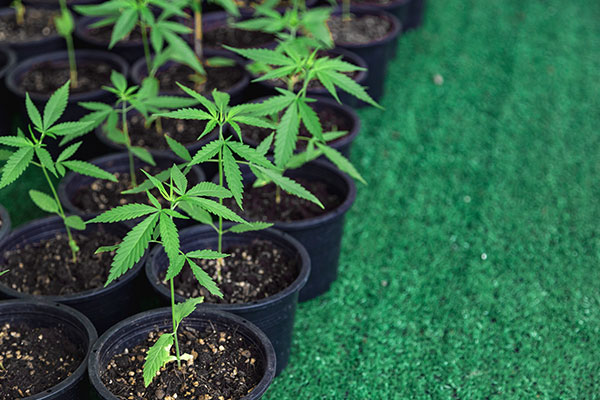
Improving plant growth does not require drastic changes, but consistent optimization of key factors:
- Keep environmental conditions stable
- Avoid unnecessary transplanting and root disturbance
- Ensure proper root oxygenation and drainage
- Use consistent, stage-appropriate nutrient schedules
- Monitor watering frequency and substrate moisture
Small improvements across multiple areas often produce better results than extreme changes in one area.
In many cases, growth issues are not caused by a lack of inputs, but by inefficiencies in how those inputs are delivered and absorbed.
From a workflow perspective, reducing manual interventions and stress events can significantly improve consistency – especially in larger grow operations.
Understanding what affects cannabis plant growth is the foundation of better cultivation. Growth is not driven by a single input, but by a balanced system where light, environment, nutrients and roots all work together. Among these, the root system plays a central role. When roots are healthy, oxygenated and allowed to expand without interruption, the entire plant performs better.
For growers looking to improve results, the focus should shift from isolated fixes to system-level optimization, where fewer disruptions and better root conditions lead to stronger, more consistent growth.
The growers who understand and control these key factors are the ones who achieve faster growth, higher yields and more predictable results.
FAQ: Factors that Affect Cannabis Plant Growth
What affects cannabis plant growth the most?
Cannabis plant growth is influenced by multiple factors, including light, environment, nutrients and root health. While all are important, root system quality and environmental stability often have the biggest impact on overall growth.
Which factor is most often overlooked in cannabis growth?
The root system is one of the most overlooked factors. Many growers focus on light and nutrients, but root health directly controls how efficiently the plant can absorb both, making it a critical driver of growth performance.
Can poor root health slow cannabis growth?
Yes. Poor root health limits water and nutrient uptake, which directly slows plant development. Issues like root circling, lack of oxygen or transplant stress can significantly reduce growth performance.
Does transplanting affect cannabis plant growth?
Yes. Transplanting can cause stress by disturbing the root system. This often leads to temporary growth slowdown as the plant recovers instead of actively developing.
How can I improve cannabis plant growth?
You can improve growth by stabilizing environmental conditions, optimizing root health, avoiding unnecessary stress and maintaining consistent watering and nutrient practices.
Is environment more important than nutrients?
Both are important, but environmental stability often has a stronger impact. Even with perfect nutrients, unstable temperature or humidity can limit plant growth.

 Ganatik
 Re-Plant
 Marketing Support
 Cannabis World
 Terms & Conditions