
 Products
 For Distributors
 For Grow Shops
 About Miabis
 Contact
How to prevent mold during cannabis drying is one of the most important questions growers face after harvest. Harvesting healthy cannabis plants is only part of producing high-quality flower. The drying process is equally important, and mistakes made during this stage can quickly ruin weeks or even months of hard work.
One of the biggest threats during post-harvest processing is mold. Even flowers that appear perfectly healthy at harvest can develop fungal growth if drying conditions are not properly controlled. Once mold appears, the affected buds are no longer safe for consumption and often must be discarded.
Fortunately, growers can prevent mold when drying cannabis by maintaining the right drying environment and following good post-harvest practices. These measures help reduce contamination risk while preserving cannabinoid content, terpene profiles and overall flower quality.
In this guide, you’ll learn how to prevent mold during cannabis drying, what causes it, and which best practices help protect your harvest from start to finish.
Why Mold Develops During Cannabis Drying
Freshly harvested cannabis flowers contain a significant amount of moisture. During drying, this moisture gradually leaves the plant material until the flowers reach an appropriate moisture content for curing.
Problems occur when excess moisture remains trapped inside dense buds while the surrounding environment provides favorable conditions for fungal growth.
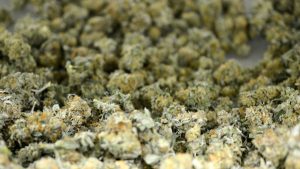
Several factors increase the likelihood of mold during drying:
- High relative humidity
- Poor air circulation
- Inadequate ventilation
- Dense flowers drying too slowly
- Overcrowded drying rooms
- Inconsistent environmental conditions
- Unsanitary drying equipment or facilities
Mold spores are naturally present in most environments. While they are usually harmless in low concentrations, they can rapidly colonize moist cannabis flowers when temperature, humidity and airflow are not properly managed.
Ideal Drying Conditions to Prevent Mold
Effective cannabis drying mold prevention starts with creating a stable and well-controlled drying environment.
Maintain the Right Temperature
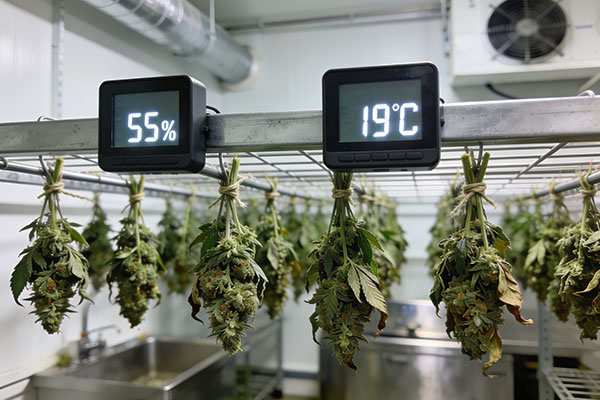
Most growers aim for temperatures of approximately 18-21°C (64-70°F) during drying.
Temperatures that are too high can dry the outer layers of the flower too quickly while trapping moisture inside. Excessively warm conditions may also accelerate terpene loss and reduce overall flower quality.
On the other hand, temperatures that are too low can slow drying excessively, increasing the time flowers remain vulnerable to mold.
Control Relative Humidity
Relative humidity is one of the most important environmental factors during drying.
Most growers target 50-60% relative humidity for a slow, even drying process.
Humidity above this range significantly increases the risk of fungal growth, while humidity that is too low can cause flowers to dry unevenly and become brittle before internal moisture has properly dissipated.
Using reliable hygrometers and humidity control systems helps maintain consistent conditions throughout the drying period.
Ensure Gentle Air Circulation
Fresh air should move continuously through the drying room without blowing directly onto the flowers.
Gentle air movement helps remove excess moisture from the environment while allowing flowers to dry evenly.
Fans directed at hanging plants or drying racks can cause uneven drying, leading to moisture differences within the buds.
Instead, position circulation fans so that they move air around the room without blowing directly onto the flowers.
Provide Adequate Air Exchange
Air circulation alone is not enough. Fresh air should regularly replace humid air inside the drying room. Proper ventilation removes moisture released from the flowers and helps maintain stable humidity levels.
Without sufficient air exchange, humidity gradually rises, creating ideal conditions for mold development.
To avoid mold during cannabis drying, growers must manage air exchange together with temperature, relative humidity and gentle air circulation.
How Wet and Dry Trimming Affect the Drying Process
Another factor that can affect drying is whether cannabis is trimmed before or after drying.
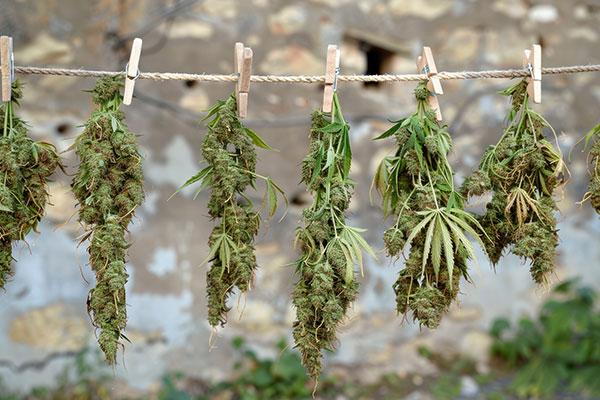
With dry trimming, flowers are typically dried with the sugar leaves still attached, often while hanging as whole branches or entire plants. The remaining leaf material slows moisture loss, which can help preserve terpenes and promote a slower, more even drying process.
With wet trimming, most of the leaf material is removed immediately after harvest, allowing flowers to dry more quickly.
Neither approach is inherently better for preventing mold. Instead, the best choice depends on your drying environment.
If your drying room tends to be dry, dry trimming can help slow the drying process and prevent flowers from drying too quickly. However, if humidity is consistently high or airflow is limited, wet trimming often reduces mold risk by allowing moisture to escape more efficiently.
Whichever approach you choose, maintaining stable temperature, humidity and ventilation remains far more important than the trimming method itself. Growers should select the trimming method that best matches their drying conditions and overall post-harvest workflow. Professional trimmers such as GANATIK support both wet and dry trimming, allowing growers to select a trimming workflow that suits their drying conditions, flower characteristics and production requirements.
Common Mistakes That Cause Mold During Drying
Even when growers monitor temperature and humidity, certain handling and drying practices can still increase mold risk. Below are some of the most common mistakes to avoid.
Hanging Plants Too Close Together
Closely packed branches restrict airflow between flowers and create pockets of trapped humidity.
Allowing enough space between hanging plants helps improve ventilation and promotes more uniform drying.
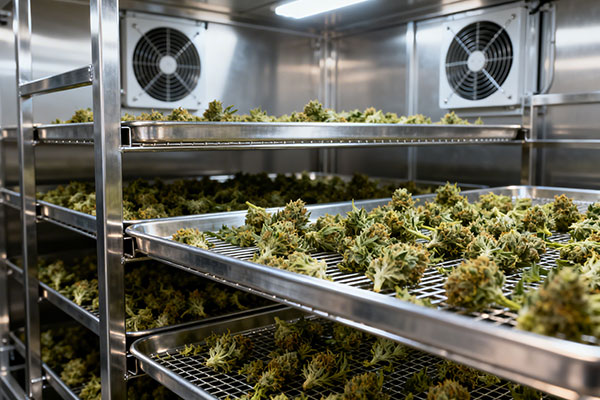
Overcrowding Drying Racks
Drying racks should never be overloaded. Flowers placed too close together or stacked on top of one another retain moisture and restrict air movement around the drying surfaces.
Evenly distributing flowers across drying surfaces reduces moisture buildup.
Harvesting Wet Plants
Harvesting flowers while they are wet can add surface moisture and increase post-harvest risk.
Whenever possible, avoid harvesting when plants are wet from irrigation, rain or excessive condensation.
Inconsistent Environmental Conditions
Large fluctuations in temperature or humidity slow the drying process and create unpredictable moisture distribution throughout the flowers.
Maintaining stable environmental conditions throughout the entire drying period is far more effective than constantly adjusting equipment.
Poor Sanitation
Mold spores thrive in dirty environments.
Drying rooms should be cleaned before every harvest, including:
- Floors
- Walls
- Drying racks
- Hanging lines
- Fans
- Ventilation systems
Removing plant debris and dust reduces potential contamination sources before drying begins.
How to Inspect Cannabis for Mold During Drying
Regular inspection allows growers to identify problems before they spread throughout the harvest.
Check flowers daily for signs such as:
- White fuzzy growth
- Gray or dark patches
- Soft or unusually damp areas
- Musty or unpleasant odors
- Discoloration inside dense buds
Periodically inspect a representative sample of dense flowers internally, since mold may begin inside the bud before it becomes visible on the surface.
If one section of the drying room develops mold, inspect nearby flowers immediately, since spores can spread quickly.
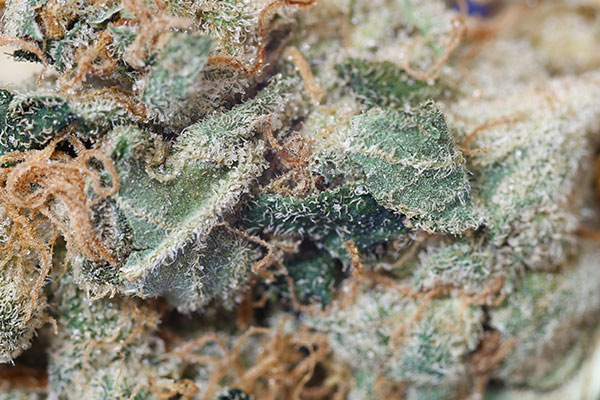
Can Moldy Cannabis Be Saved?
Unfortunately, no. Once mold has colonized cannabis flowers, the affected material should be discarded.
Removing only the visibly moldy portion is not considered safe because microscopic fungal growth may already be present throughout the flower.
Consuming mold-contaminated cannabis may expose users to harmful fungi and associated health risks.
Prevention is always more effective – and far less costly – than attempting to salvage contaminated flower.
Best Practices for Large-Scale Drying Operations
Commercial cultivation facilities face additional challenges because larger harvests generate more moisture within the drying environment.
To minimize risk, professional growers typically implement standardized drying procedures that include:
- Continuous monitoring of temperature and humidity
- Proper room ventilation
- Uniform spacing between hanging plants
- Batch separation for easier inspection
- Routine sanitation protocols
- Daily environmental records
- Regular equipment maintenance
Automation and environmental monitoring systems also help maintain consistency during large harvests where manual oversight becomes more difficult.
Drying cannabis without mold begins with maintaining a clean, stable and carefully monitored environment.
By controlling temperature, humidity, airflow and sanitation, growers can dramatically reduce the risk of fungal contamination while preserving flower appearance, aroma and cannabinoid quality.
Regular inspections, proper spacing and consistent environmental monitoring further improve drying results and help protect the value of every harvest.
Although no drying process is completely risk-free, following proven best practices makes mold prevention far more achievable and ensures cannabis is ready for curing and final processing under optimal conditions.
FAQ: Preventing Mold When Drying Cannabis
Can mold develop after harvest?
Yes, mold can develop after harvest if cannabis is dried under unsuitable conditions. Freshly harvested flowers contain high moisture levels, making them especially vulnerable to fungal growth. Maintaining proper temperature, humidity and airflow is essential for preventing mold during drying.
What humidity prevents mold during cannabis drying?
The ideal humidity for preventing mold during cannabis drying is 50-60% relative humidity (RH). This range allows flowers to dry slowly and evenly while reducing the risk of fungal growth. Humidity above 60% increases mold risk, while significantly lower humidity can cause uneven drying.
What temperature is best for drying cannabis?
The recommended temperature for drying cannabis is 18-21°C (64-70°F). This temperature range supports gradual moisture loss while helping preserve cannabinoids, terpenes and overall flower quality. Higher temperatures can dry flowers too quickly and reduce terpene retention.
Does using a fan prevent mold?
Yes, gentle air circulation helps prevent mold during cannabis drying by reducing excess moisture in the drying room. However, fans should not blow directly onto the flowers, as this can cause uneven drying. Instead, use fans to circulate air throughout the room while maintaining good ventilation.
Should moldy cannabis be trimmed and saved?
No, moldy cannabis should not be trimmed and saved. Once mold develops, microscopic fungal growth may extend beyond the visible area of the flower. The safest approach is to discard any contaminated buds.

 Ganatik
 Re-Plant
 Marketing Support
 Cannabis World
 Terms & Conditions